
Does Nanoplastia Work on Curly Hair? 100% Straight on Every Curl Pattern
Nanoplastia on curly hair reaches 100% straight on any curl pattern, or a curl-definition finish instead — here is the diagnosis that decides which.
Vitta Gold Academy · September 17, 2026 · 9 min read
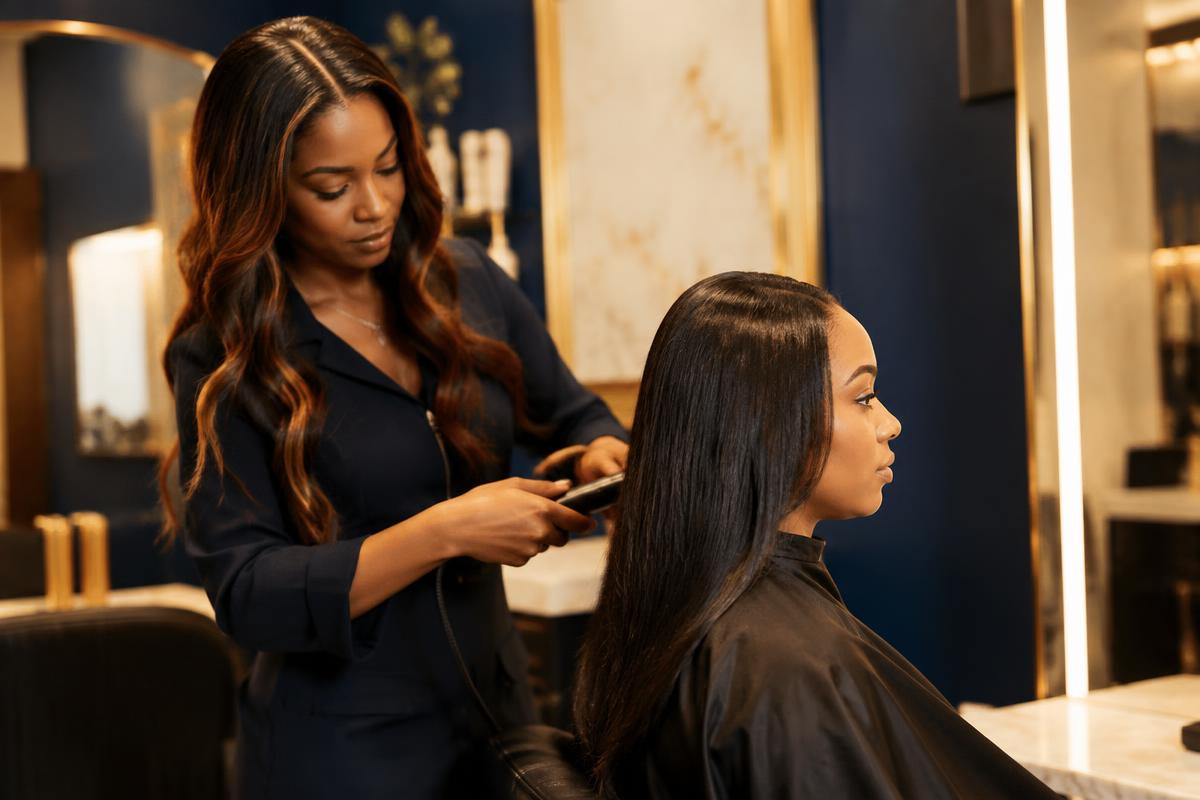
Key takeaways
- Nanoplastia reaches 100% straight on any curl pattern, including coily and afro hair.
- The same service can instead deliver a natural anti-frizz result or defined curls — the finish is chosen in consultation.
- Processing time is 40 to 60 minutes; thermal sealing, not extra product, is what locks the result into the cortex and cuticle.
- The result lasts 3 to 6 months on curly hair, the same range as on straight or wavy textures, with correct home care.
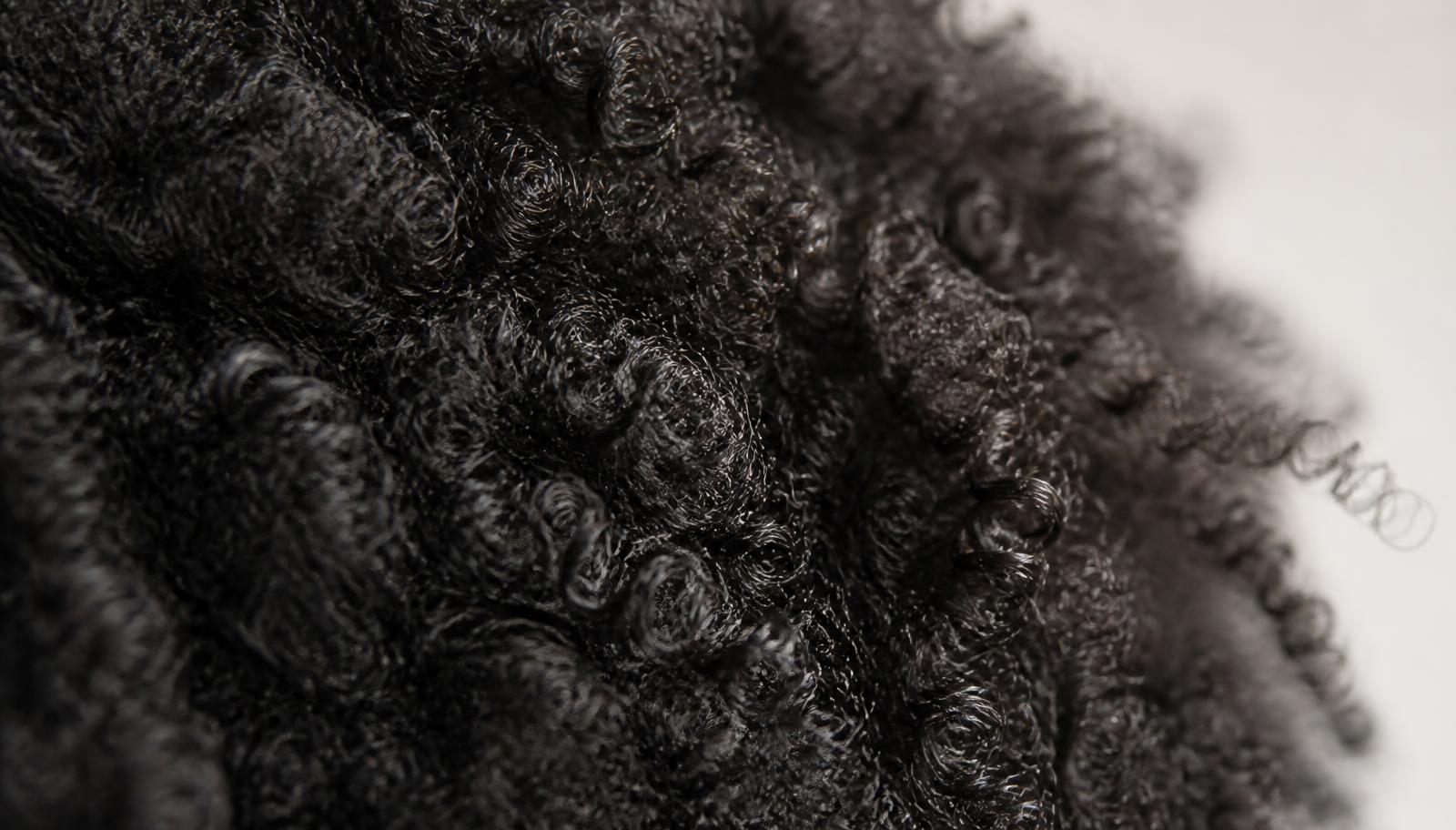
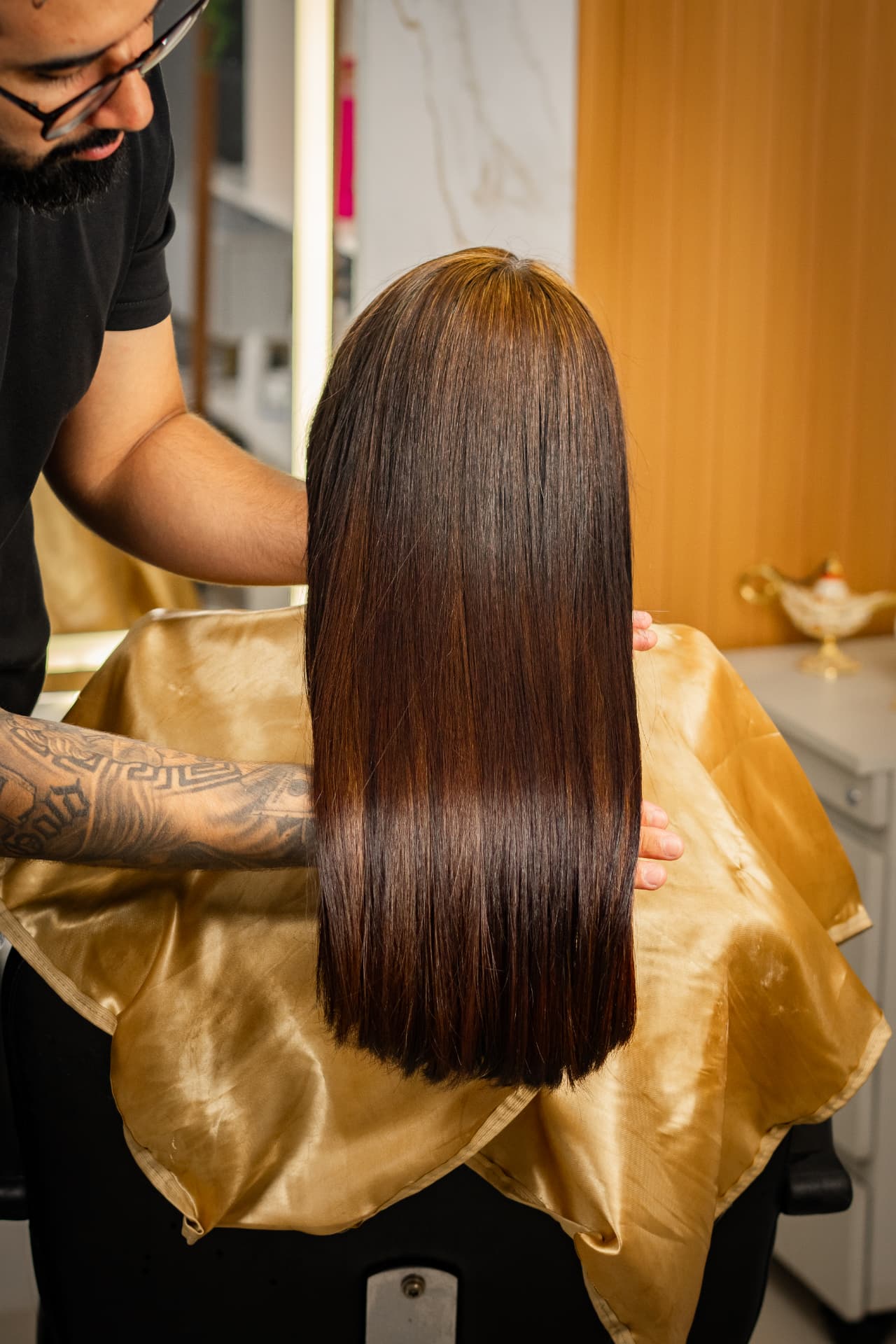
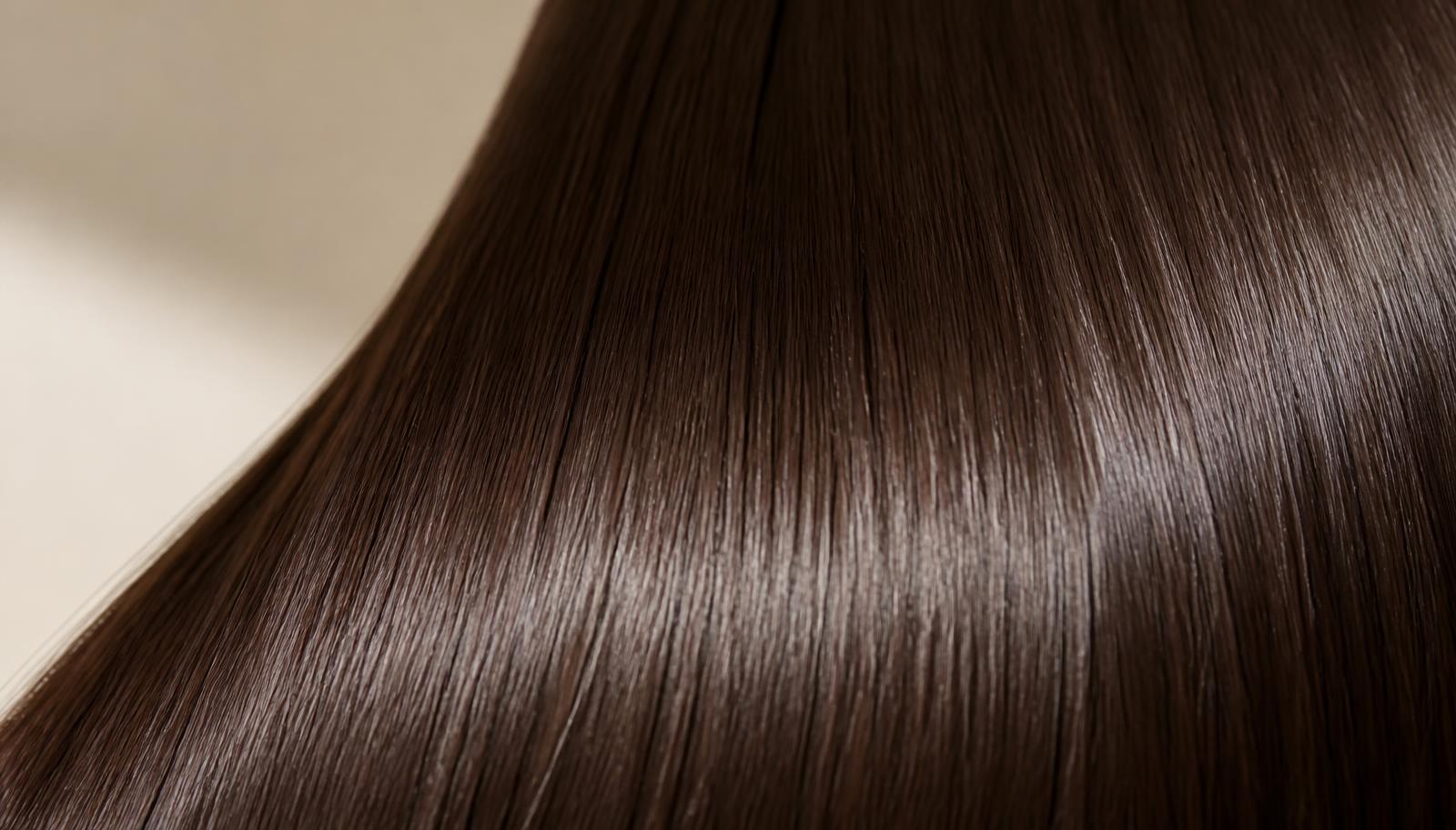
Does Nanoplastia work on curly hair? Yes. The technique reaches 100% straight on any curl pattern, from loose waves to coily and afro hair, because it acts inside the cortex and then seals the cuticle rather than simply coating the surface. The same service can also be taken to a natural anti-frizz result or to defined curls — the finish is a decision you make with the client, not a limit of the product.
Curly-haired clients are often the most hesitant to book a smoothing service, because they associate 'keratin' or 'smoothing' with a flat, lifeless result that erases their texture entirely whether they want that or not. That fear is worth addressing head-on in the consultation, because it is based on a real failure mode of badly run services — not on any limit of Nanoplastia itself. The technology works equally well on every curl pattern; what changes is the protocol you run to get there.
Why curl pattern changes the work, not the outcome
A tighter curl has more bends per centimetre, a more irregular cuticle and, usually, higher porosity at the mid-lengths and ends. None of that prevents a straight result. It changes three things in your protocol: how thin your sections need to be, how evenly the product must be distributed strand by strand, and how many controlled thermal passes the sealing stage takes to reach a glass-smooth finish.
This is the single most important mindset shift for stylists moving from straight or wavy clients to curly and coily ones: you are not applying a weaker version of the same service, you are applying the same chemistry with a more disciplined technique. Underestimating sectioning on a 4C client is the most common reason a service under-delivers — not the curl pattern itself.
| Curl pattern | Section thickness | Thermal sealing |
|---|---|---|
| Wavy | Standard sections | Fewer passes, moderate tension |
| Curly | Thinner sections | Even passes, consistent tension |
| Coily / afro | Very thin sections | Patient, methodical passes with full tension control |
How do you get a 100% straight result on curly hair?
- 1Diagnose porosity, elasticity and chemical history zone by zone; a strand test whenever the history is unclear.
- 2Deep cleanse so the cuticle opens evenly across the whole head, including the densest areas at the nape and crown.
- 3Apply strand by strand on very thin sections, respecting root distance and full saturation at the mid-lengths.
- 4Respect the full processing time of 40 to 60 minutes — the reaction happening inside the cortex and cuticle is chemical, not visual, and cutting it short under-processes resistant curl zones first.
- 5Dry completely, then seal thermally with controlled temperature, consistent tension and enough passes to reach a glass-smooth strand.
- 6Finish and prescribe the sulfate-free home-care routine that protects the chosen result for the full 3 to 6 month window.
What if the client wants to keep her curls?
Then you deliver a different finish from the same service: shorter processing on the curl zones, lighter thermal work with no straightening tension, and the curl pattern stays intact — frizz-free, defined and far easier to style at home. This is the conversation that turns a nervous curly-haired client into a regular one: she is not choosing between her curls and a treatment, she is choosing the finish, and both options come from the same Nanoplastia service.
Curl definition as a finish still requires the same diagnostic rigour as a straight finish. Skipping the strand test because 'we are not straightening it fully anyway' is a mistake — under-diagnosed hair can still over-process, break or lose its curl pattern if the timing is wrong, even when the end goal is movement rather than mirror-straight hair.
How long does it last on curly hair?
Three to six months, as on any hair type, with correct home care. Tighter patterns show regrowth at the root sooner simply because the new growth contrasts more visually against the treated length, which is a scheduling point rather than a durability problem — book the maintenance visit while she is still in the chair, typically for the three-month mark on very curly or coily hair.
Common mistakes stylists make on curly textures
- Using straight-hair section sizes on tight curls, which leaves untreated strands hidden inside dense sections.
- Cutting processing time because the curl 'looks relaxed already' after rinsing — the chemical reaction needs the full 40 to 60 minutes regardless of how the hair looks mid-service.
- Under-sealing: rushing the thermal stage on dense hair, which leaves the cuticle only partially closed and the result fading within weeks instead of months.
- Defaulting every curly client to the straightest possible finish instead of discussing curl definition as a legitimate, often more popular, option.
About the names on the box
Keratin treatment, protein treatment, hair botox and Nanoplastia are commercial names inside the same family of chemical hair smoothing. A Nanoplastia containing hydrolysed keratin can accurately be described as a keratin treatment. What separates services is the smoothing active and the quality of the raw materials, not the word on the label. Nanoplex Arginina™ Amino Fusion combines amino-acid keratin, hydrolysed proteins and Nanoplastia technology in a single professional formula.
Understanding this naming also helps you set client expectations correctly: whichever name is on your menu, the mechanism behind a 100% straight result on curly hair is the same combination of cortex-level realignment and cuticle sealing under controlled heat, not a special 'curly hair formula' that works differently from the rest of your service menu.
Sources
- Hair Cosmetics: An Overview — International Journal of Trichology (NIH/PMC) — Hair structure, cosmetic chemistry and how treatments act on the fibre
- StatPearls — National Library of Medicine — Anatomy and physiology of the hair fibre
- American Academy of Dermatology — Healthy hair care and heat-styling guidance
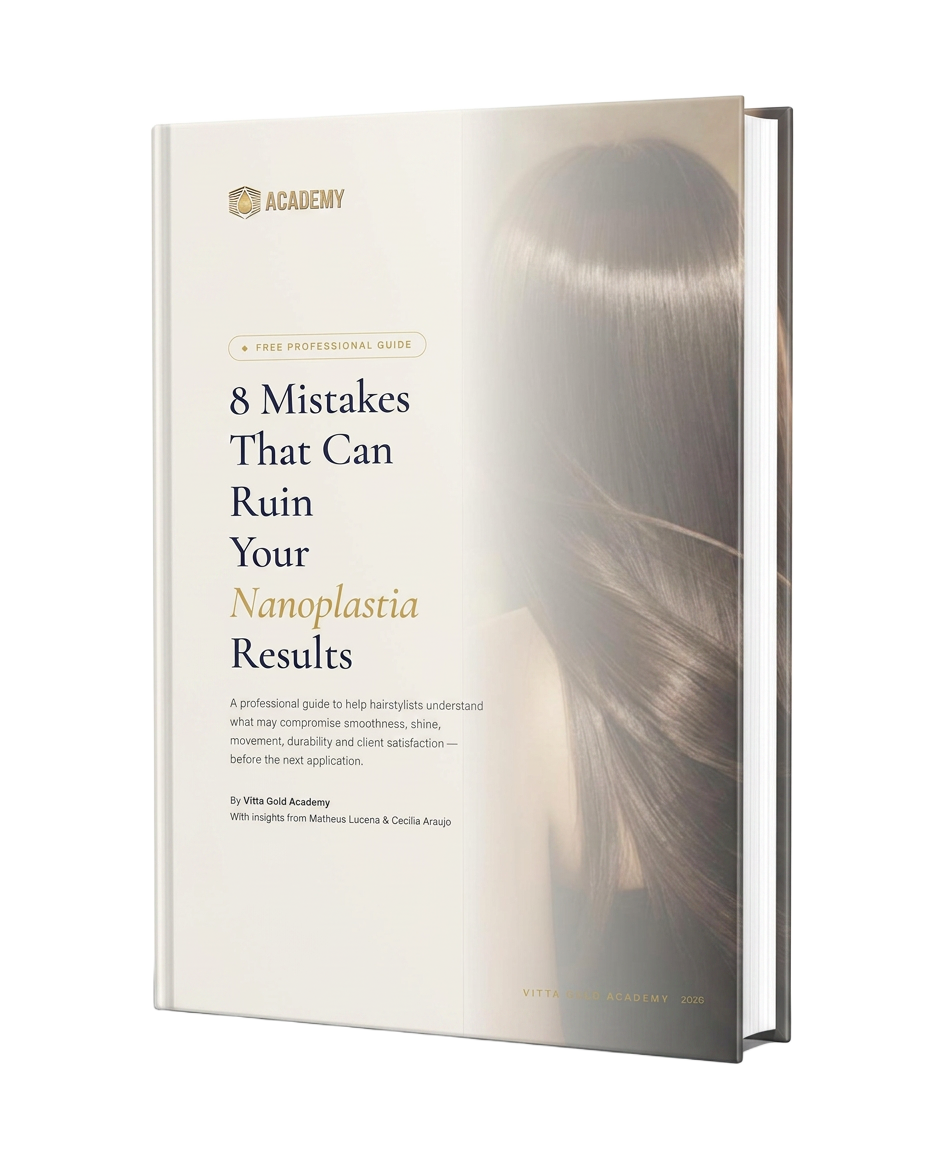
Free for professionals
8 Mistakes That Can Ruin Your Nanoplastia Results
The technical and commercial errors behind most failed services — skipped diagnosis, thick sectioning, improvised heat, weak aftercare and pricing that destroys your hourly rate — with the checklist to prevent each one.
Download the free guideFrequently asked questions
Does Nanoplastia work on curly hair?
Yes. Nanoplastia reaches 100% straight on any curl pattern, including coily and afro hair, because it rebuilds the cortex and seals the cuticle. The same service can also deliver a natural anti-frizz finish or defined curls.
Will Nanoplastia damage curly hair?
Not when the diagnosis is correct. Porosity, elasticity and chemical history are assessed first, with a strand test when the history is unclear, and the thermal sealing is done with controlled temperature and tension.
Can curls come back after Nanoplastia?
The treated length keeps the chosen finish for 3 to 6 months. New growth arrives with its natural pattern, which is why maintenance is scheduled in that window rather than treated as a sign the service failed.
How long does the product stay on curly hair?
Processing time is 40 to 60 minutes, the same as on any hair type. What changes with curl pattern is section thickness and the thermal sealing work, not the dwell time of the active.
Can I keep my curls and still do Nanoplastia?
Yes. The same service can be run with shorter processing on curl zones and lighter thermal work to deliver a frizz-free, defined-curl finish instead of a straight one. The decision is made at consultation, not improvised mid-service.
Does curl pattern affect how long Nanoplastia lasts?
Not the duration itself — the range stays 3 to 6 months — but tighter curl patterns can appear to need maintenance sooner because new growth contrasts more visibly against the treated length.
Is a strand test necessary on curly hair that has never been coloured?
It is still recommended on resistant or previously heat-styled curly hair, since porosity and elasticity can vary significantly even without a chemical colour history.