
Glyoxylic Acid vs Formaldehyde: What Is Actually Inside a Smoothing Formula
The smoothing actives behind hair smoothing services — glyoxylic acid, carbocysteine, pyrogallol, amino acid blends, formaldehyde and its releasers — and how to read a label before you buy.
Vitta Gold Academy · September 17, 2026 · 7 min read
Key takeaways
- The smoothing active — not the brand name on the box — defines the service, its safety profile and its result.
- Formaldehyde releasers appear on labels under names that do not contain the word formaldehyde.
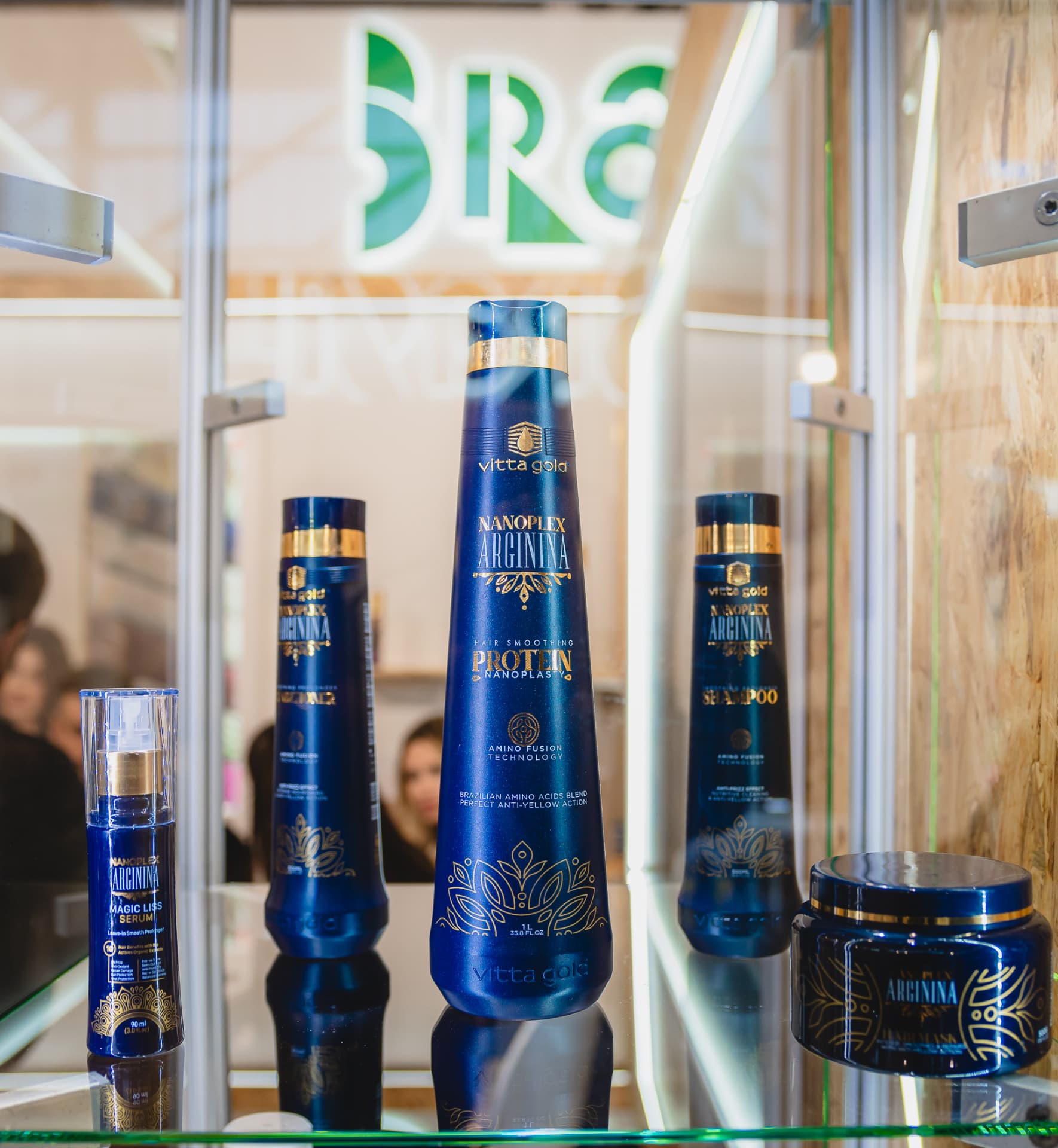
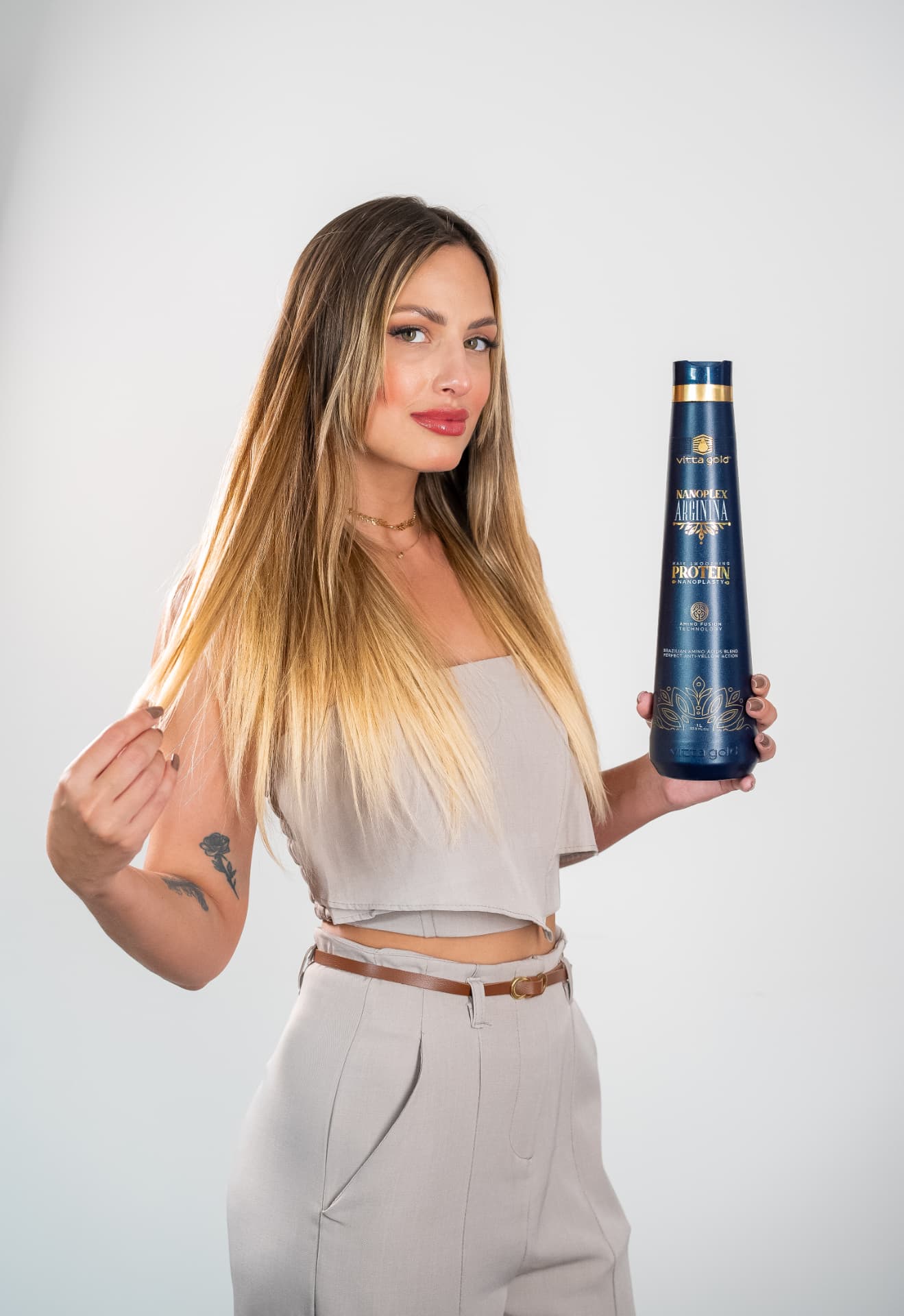
- Nanoplex Arginina™ is formaldehyde-free and built on amino acids; ask any supplier to name its active in writing.
What is actually inside a hair smoothing formula? One smoothing active, plus the cosmetic base around it. The commercial name on the box — keratin treatment, protein treatment, hair botox, Nanoplastia — tells you almost nothing. The active tells you everything: how the service behaves, how it must be ventilated, and what the hair looks like in three months.
The actives you will meet
| Active | How it works | What a professional should know |
|---|---|---|
| Formaldehyde and releasers | Cross-links the fibre under heat | Released as a gas during thermal sealing; restricted or banned in professional cosmetics in many markets |
| Glyoxylic acid | Acid-based realignment under heat | Formaldehyde-free chemistry, widely used as a replacement; still requires correct ventilation and technique |
| Carbocysteine | Amino-acid derivative, gentler action | Softer results, usually less durable |
| Pyrogallol | Plant-derived phenol | Strong action, requires careful handling |
| Amino acids | Rebuild and realign from inside the cortex | The base of Nanoplex Arginina™ — formaldehyde-free, adjustable finish |
How do formaldehyde releasers appear on a label?
Rarely as the word itself. Look for methylene glycol, formalin, methanal, DMDM hydantoin, imidazolidinyl urea, diazolidinyl urea and quaternium-15. A label that lists any of those is describing a formula that can release formaldehyde, whatever the front of the bottle promises.
Is formaldehyde-free the same as risk-free?
No, and claiming otherwise is bad professional practice. Every chemical smoothing service works with actives and heat, so ventilation, gloves and correct technique remain non-negotiable. Formaldehyde-free removes one specific and serious exposure from the salon air; it does not remove the need for a professional protocol.
Where Nanoplastia sits
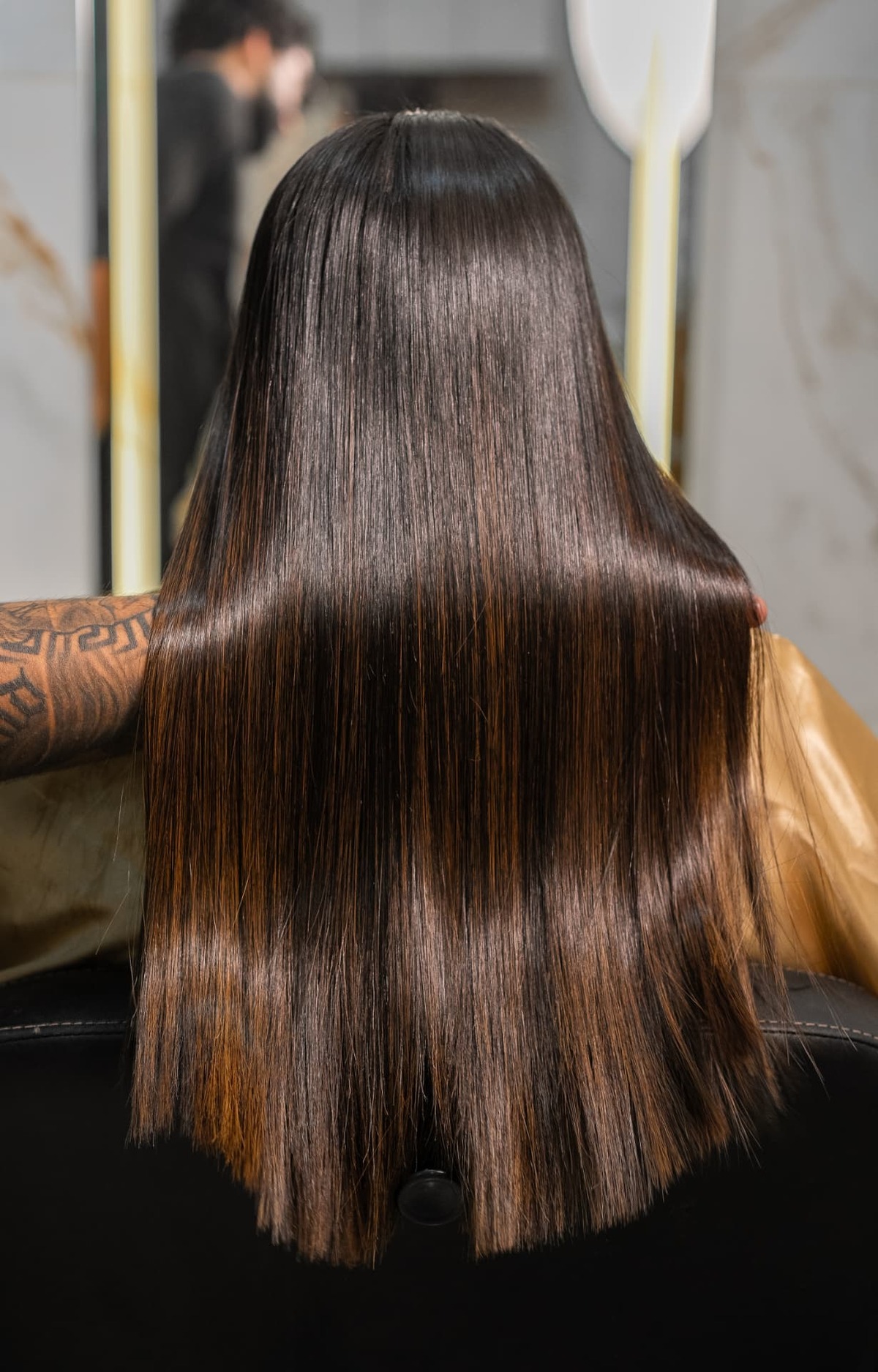
Nanoplastia is the formaldehyde-free branch of this family. Nanoplex Arginina™ Amino Fusion combines amino-acid keratin, hydrolysed proteins and Nanoplastia technology: it rebuilds the cortex and seals the cuticle, processes in 40 to 60 minutes, reaches 100% straight on any hair type with an adjustable finish, and holds for 3 to 6 months with correct homecare.
What this means for your salon
- Buy by active, not by marketing name.
- Keep the ingredient list of every professional product you use where your team can read it.
- Ventilate every smoothing service, regardless of the chemistry.
- Tell clients what you use; the ones who ask are the ones who rebook.
Sources
- PubChem — National Library of Medicine — Glyoxylic acid: chemical and safety record
- PubChem — National Library of Medicine — Formaldehyde: chemical and safety record
- CosIng — European Commission — Cosmetic ingredient database for INCI names and restrictions
- U.S. Food and Drug Administration — Hair smoothing products that release formaldehyde when heated
- IARC Monographs — World Health Organization — Classification of formaldehyde as a human carcinogen
Free for professionals
8 Mistakes That Can Ruin Your Nanoplastia Results
The technical and commercial errors behind most failed services — skipped diagnosis, thick sectioning, improvised heat, weak aftercare and pricing that destroys your hourly rate — with the checklist to prevent each one.
Download the free guideFrequently asked questions
What is the difference between glyoxylic acid and formaldehyde in hair smoothing?
Formaldehyde and its releasers cross-link the fibre and release a gas during thermal sealing. Glyoxylic acid is a formaldehyde-free acid chemistry that realigns the fibre under heat. Both still require ventilation and correct professional technique.
How do I know if a smoothing product contains formaldehyde?
Read the INCI list for methylene glycol, formalin, methanal, DMDM hydantoin, imidazolidinyl urea, diazolidinyl urea or quaternium-15, and ask the supplier to confirm in writing whether the formula releases formaldehyde during thermal sealing.
Is Nanoplastia formaldehyde-free?
Nanoplex Arginina™ is formaldehyde-free and built on amino acids, rebuilding the cortex and sealing the cuticle rather than cross-linking the fibre with a releaser.
Is a formaldehyde-free treatment automatically safe?
It removes one serious exposure from the salon air, but every chemical smoothing service still requires ventilation, gloves and correct technique.