
Is Nanoplastia Formaldehyde-Free? Safety and Compliance for Salons
How to verify a formaldehyde-free Nanoplastia claim, what the label can hide, and the ventilation, PPE and documentation habits every salon should follow.
Vitta Gold Academy · August 18, 2026 · 9 min read
Key takeaways
- Formaldehyde-free is a formulation claim you should be able to verify with documentation, not just packaging copy.
- Ask any supplier for the safety data sheet and the ingredient list for your market before your first order.
- Ventilation and PPE remain best practice even with formaldehyde-free systems, because thermal activation always produces vapour.
- A full 40–60 minute processing time and correct thermal sealing are what deliver a 100% straight or adjustable finish — not formaldehyde.
- Clients increasingly ask this question first — a confident, documented answer is a selling point.
Is Nanoplastia formaldehyde-free? A properly formulated professional Nanoplastia is formaldehyde-free: it realigns the fiber in both the cortex and the cuticle with low-molecular-weight amino acids, hydrolysed proteins and controlled heat, with no formaldehyde donor. Verify each product with its safety data sheet and full ingredient list for your market, and ventilate during thermal activation regardless.
"Does it have formaldehyde?" is now the first question many clients ask before booking a smoothing service. It is also the question that decides whether a professional line is viable in the United States, Canada and the United Kingdom. Here is how to answer it properly — for your clients and for yourself.
Why the question exists
The smoothing category was built in the 2000s on treatments that released formaldehyde during flat-iron activation. Occupational-health authorities in several markets responded with exposure limits, labelling requirements and enforcement actions against products whose labels did not match their contents. The result: professionals learned, correctly, to distrust the label alone.
The World Health Organization's cancer research arm, IARC, classifies formaldehyde as carcinogenic to humans, and the US National Institute for Environmental Health Sciences lists documented health effects of inhalation exposure. This is the scientific backdrop that makes the formaldehyde-free question a genuine professional responsibility rather than a marketing preference.
What a formaldehyde-free Nanoplastia actually is
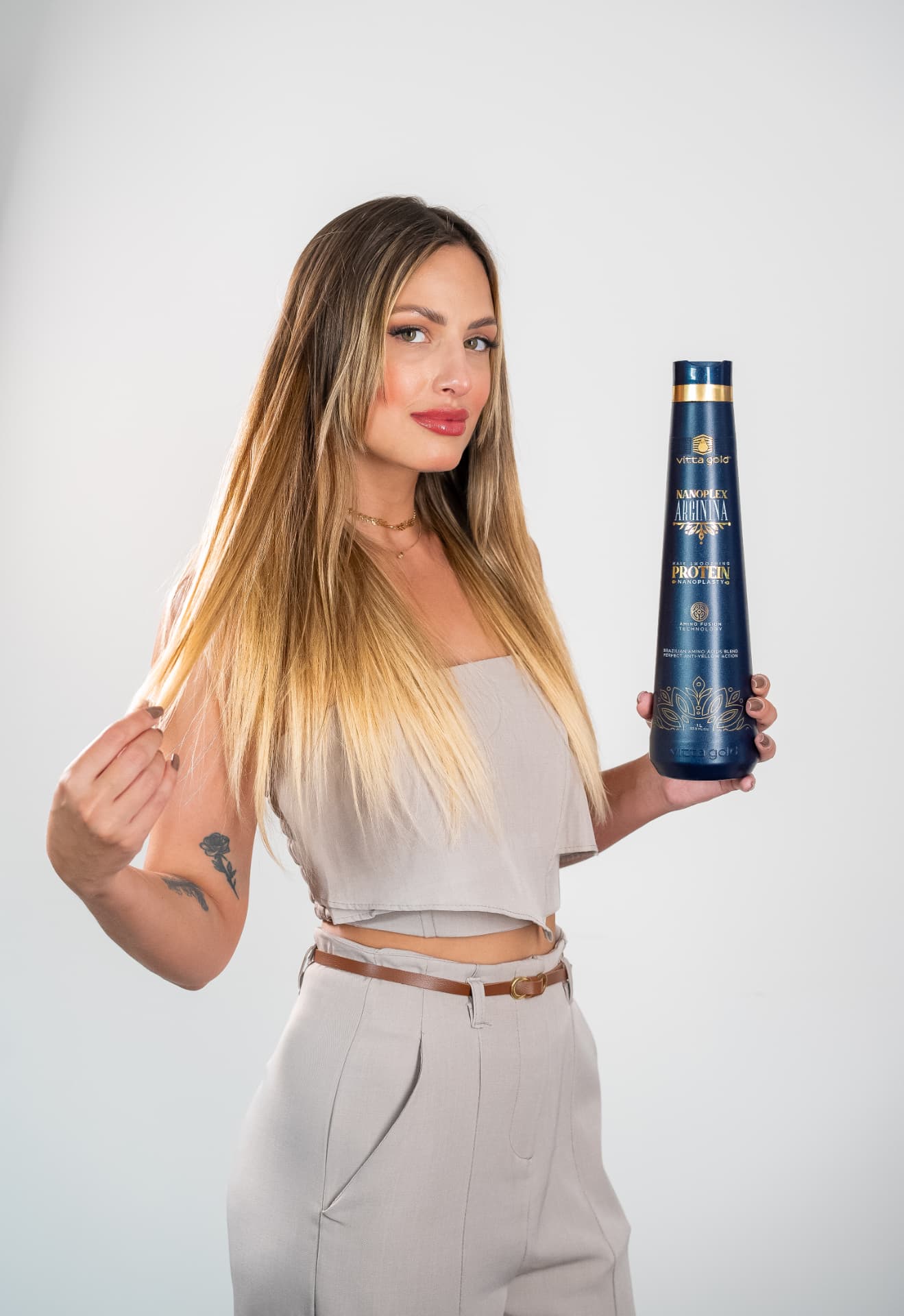
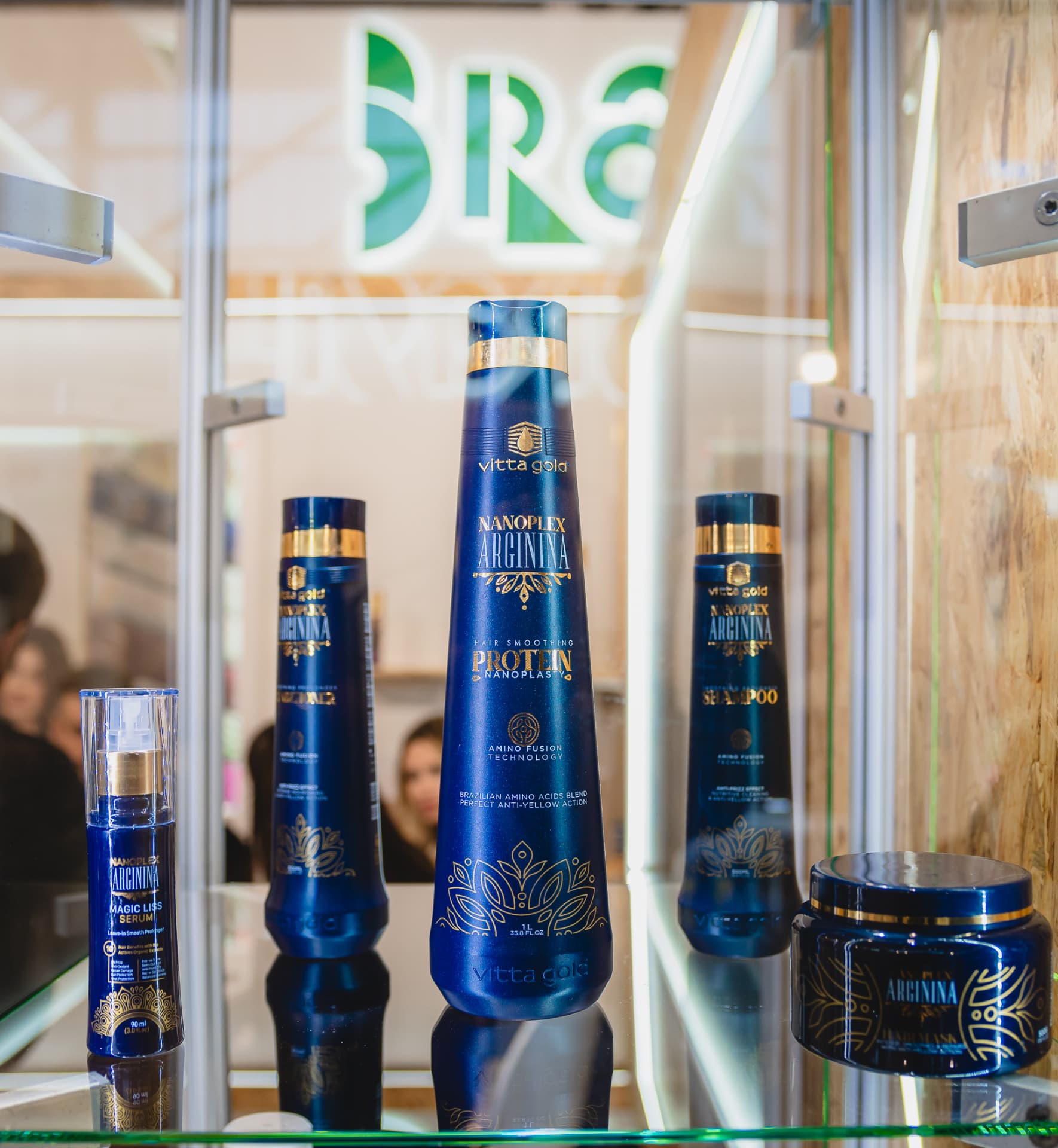
A modern Nanoplastia line achieves realignment with low-molecular-weight actives — amino acids such as arginine, hydrolysed proteins and conditioning agents — combined with controlled thermal activation, acting on the cortex and the cuticle together. The mechanism does not require a formaldehyde donor. Vitta Gold's Nanoplex Arginina™ line is built on exactly this approach, which is why it is used in salons across more than 100 countries.
Formaldehyde-based versus formaldehyde-free systems
| Formaldehyde-based system | Formaldehyde-free system (e.g. Nanoplex Arginina™) | |
|---|---|---|
| Active mechanism | Formaldehyde or a donor (methylene glycol, formalin) cross-links keratin under heat | Low-molecular-weight amino acids and hydrolysed proteins realign the cortex, fixed by controlled heat |
| Regulatory status | Restricted or banned above set concentrations in several markets; mandatory labelling thresholds apply | Not subject to formaldehyde concentration limits when genuinely free of donors |
| Vapour during activation | Releases formaldehyde gas at flat-iron temperatures — the main occupational exposure risk | Still produces vapour from heating a wet fiber, but without a formaldehyde donor |
| Documentation needed | SDS, INCI list and proof of concentration under the legal threshold | SDS and INCI list, confirming no formaldehyde or donor is present |
| Ventilation and PPE | Mandatory and non-negotiable | Still recommended as standard professional practice |
| Achievable finish | 100% straight, mirror-smooth, same mechanism dependent on full processing and sealing | 100% straight, mirror-smooth, or adjustable to anti-frizz / curl definition |
Your pre-purchase checklist
- 1Request the safety data sheet (SDS) for the exact product and market you will use it in.
- 2Request the full INCI ingredient list and check it against the SDS.
- 3Confirm the product is sold as professional-use and that the supplier supports your country.
- 4Confirm the recommended processing time; a documented protocol should call for 40 to 60 minutes of chemical processing, not a shortcut.
- 5Confirm you have a support contact for technical questions after purchase — not just a checkout page.
- 6Keep a copy of the documentation in your salon. If a client asks, you show it.
Do you still need ventilation and PPE?
Yes. Heating a wet fiber always produces vapour, whatever the formulation, so ventilation, gloves and protection of the client's breathing zone remain standard professional practice. These habits also protect you commercially: they show clients a documented protocol rather than someone improvising with a product.
- Ventilate the working area during thermal activation — any heated wet fiber releases vapour.
- Use gloves and, where your local rules require it, appropriate respiratory protection.
- Never activate over a client's face without protecting the breathing zone.
- Do a patch and strand test on new clients and on any hair with chemical history.
- Record the diagnosis, product and parameters used in the client's file.
Does going formaldehyde-free mean a weaker result?
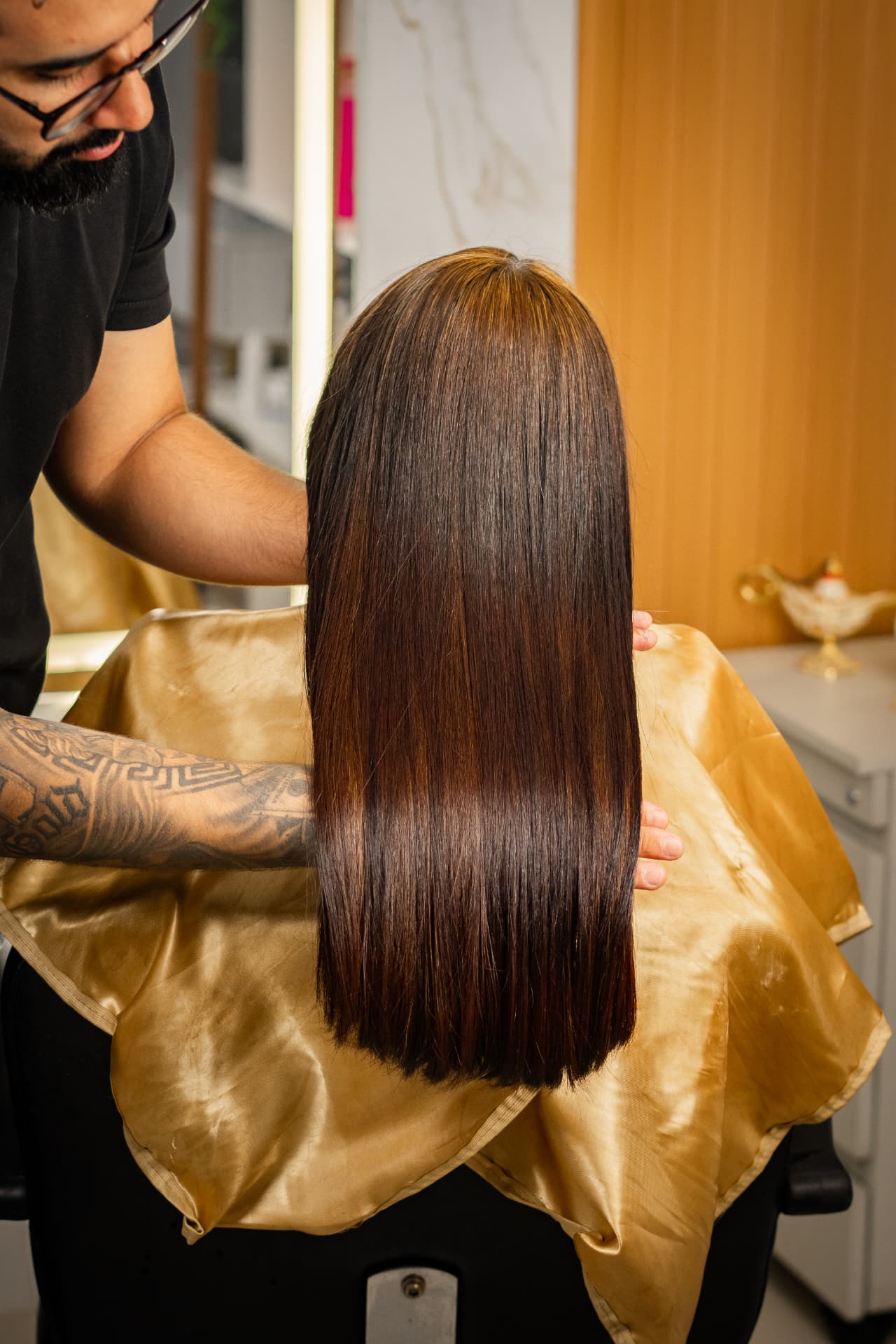
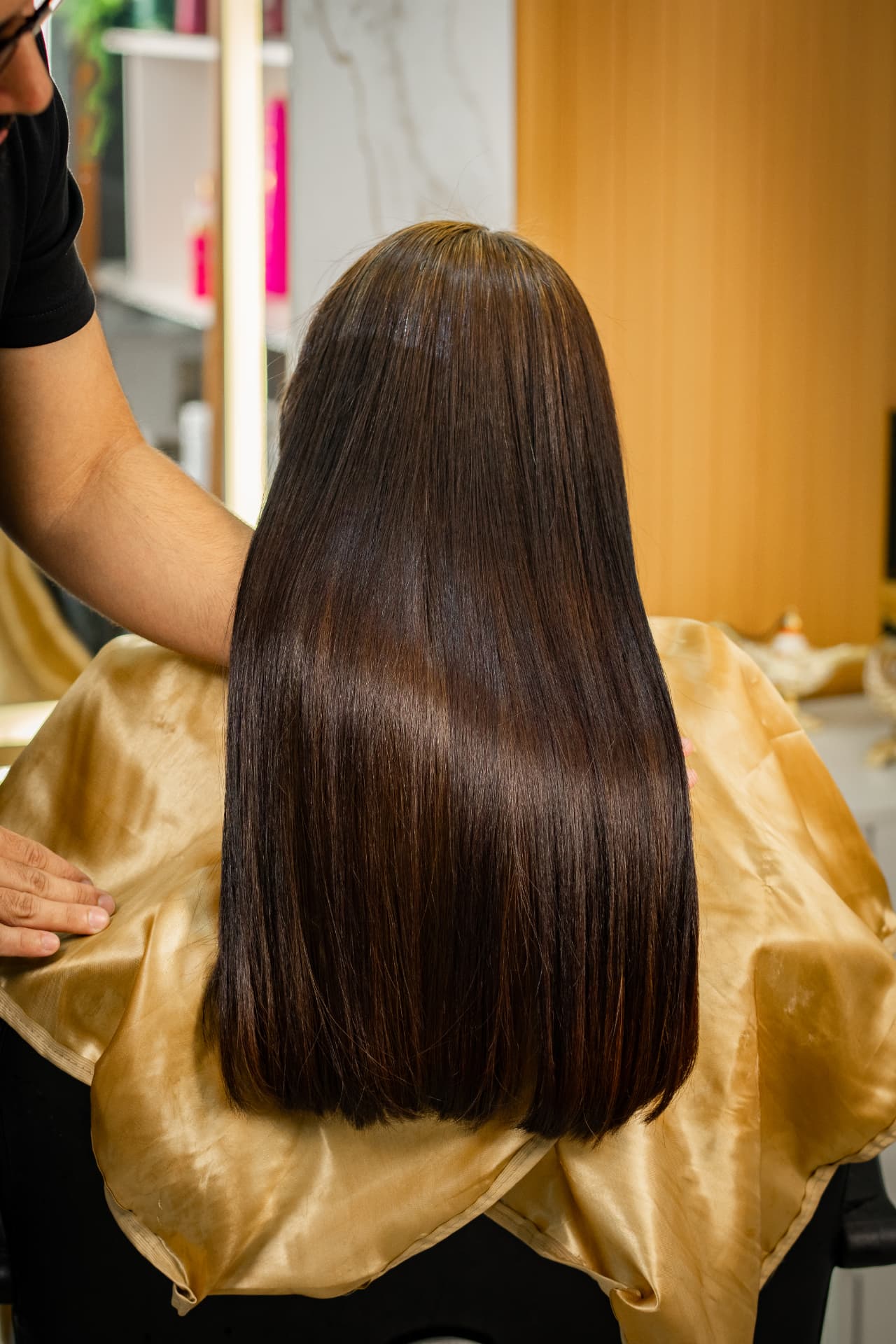
No. A formaldehyde-free Nanoplastia reaches the same 100% straight, mirror-smooth finish on any hair type as any older formula, because the realignment comes from the low-molecular-weight actives working in the cortex and the cuticle together, fixed by controlled thermal sealing — not from formaldehyde. What decides the finish is full 40 to 60 minute processing, correct sectioning and precise heat, and the professional can dial the same system toward a natural anti-frizz result or curl definition instead of full straightening, entirely independent of the formula being formaldehyde-free.
What about regulation outside the US?
The European Union regulates cosmetic ingredients, including formaldehyde-releasing preservatives, under Regulation (EC) No 1223/2009, which sets concentration limits and mandatory labelling when a product can release formaldehyde above a defined threshold. If you sell into or source product from the EU, this regulation — not just US guidance — is the one to check against a supplier's documentation.
How to answer the client
"The line I use is formaldehyde-free — it works with amino acids that realign the fiber from the inside and the outside instead of a chemical that hardens it. I keep the safety documentation here if you'd like to see it, and I ventilate and protect during the heat step as standard practice."
That answer converts. It signals that you are a professional running a protocol, not someone applying a product. The certification course covers documentation, consultation scripts and salon setup alongside the technical protocol.
Formaldehyde-free versus the rest of the smoothing category
Keratin treatments, hair botox and Nanoplastia can all be formulated with or without formaldehyde — the commercial name on the menu tells a client nothing about the active ingredient. If you want to see how formaldehyde-free Nanoplastia stacks up against keratin and hair botox on mechanism and results, not just safety, read the full comparison.
How should a salon document compliance over time?
Treat the SDS and INCI list as living documents, not a one-time check at purchase. Suppliers reformulate, and a product that was formaldehyde-free last year can change without the marketing copy changing at all. Re-request documentation whenever a supplier updates packaging, launches a new batch size, or changes manufacturing location, and keep a dated file so you can show which version of the documentation matched which batch of product actually used in the chair.
Sources
- U.S. Food and Drug Administration — Hair smoothing products that release formaldehyde when heated
- U.S. Occupational Safety and Health Administration — Occupational safety guidance for hair salons and smoothing services
- National Institute of Environmental Health Sciences (NIH) — Formaldehyde: health effects and exposure
- IARC Monographs — World Health Organization — Classification of formaldehyde as a human carcinogen
- EUR-Lex — European Union — Regulation (EC) No 1223/2009 on cosmetic products
Free for professionals
The Nanoplastia Starter Blueprint
The 20-page beginner guide: the six-move roadmap, the starter kit, the six-stage professional system, the pricing framework and a 21-day plan to launch the service in your salon.
Download the blueprintFrequently asked questions
Is Nanoplastia legal in the US, Canada and the UK?
Formaldehyde-free professional Nanoplastia systems are used by salons in these markets. Compliance depends on the specific formulation, so always verify the safety data sheet and ingredient list for the product you buy.
How do I verify a formaldehyde-free claim?
Ask the supplier, in writing, for the safety data sheet and the full INCI list for your market, then check for donors under other names — methylene glycol, formalin and methanal among them. Keep the documents in the salon so you can show a client on request.
Can a formaldehyde-free Nanoplastia still leave hair 100% straight?
Yes. The straightening comes from low-molecular-weight actives realigning the cortex and cuticle together, plus controlled thermal sealing, not from formaldehyde. With full 40 to 60 minute processing and complete sealing, any hair type can reach a 100% straight, mirror-smooth finish; lighter processing gives anti-frizz or defined curls.
Do I still need ventilation with a formaldehyde-free product?
Yes. Thermal activation on a wet fiber always produces vapour, and good ventilation plus PPE is standard professional practice regardless of formulation.
Are carbocysteine and amino acids formaldehyde releasers?
No. Carbocysteine and amino acids are not formaldehyde-releasing ingredients. Formaldehyde donors appear on labels under names such as methylene glycol, formalin and methanal — always check the full INCI list rather than assuming based on an ingredient category.
Does the EU allow formaldehyde in professional hair products?
EU Regulation (EC) No 1223/2009 restricts formaldehyde-releasing preservatives in cosmetics and requires labelling above defined concentration thresholds. Always check a supplier's documentation against this regulation before sourcing or selling into the EU market.
Why does a formaldehyde-free Nanoplastia still need 40 to 60 minutes of processing?
The realignment is a chemical reaction happening inside the cortex, independent of which active is used. That reaction needs a full 40 to 60 minute window to complete; cutting it short shortens the result regardless of the formula's safety profile.