
Nanoplastia on Coily and Afro Hair: How to Reach 100% Straight Safely
Nanoplastia can take coiled, afro and resistant hair to a 100% straight, mirror-smooth finish, or stop at anti-frizz or curl definition — diagnosis explained.
Vitta Gold Academy · September 4, 2026 · 10 min read
Key takeaways
- Nanoplastia reaches a 100% straight, mirror-smooth finish on any hair type, including afro and highly resistant textures.
- The finish is adjustable: the same service can be steered to a natural anti-frizz result or to defined, elongated curls.
- Control comes from diagnosis, strand test, section size, full 40-to-60-minute processing and thermal sealing — not from more product.
- Results last 3 to 6 months on coily and afro hair with correct, low-manipulation home care.
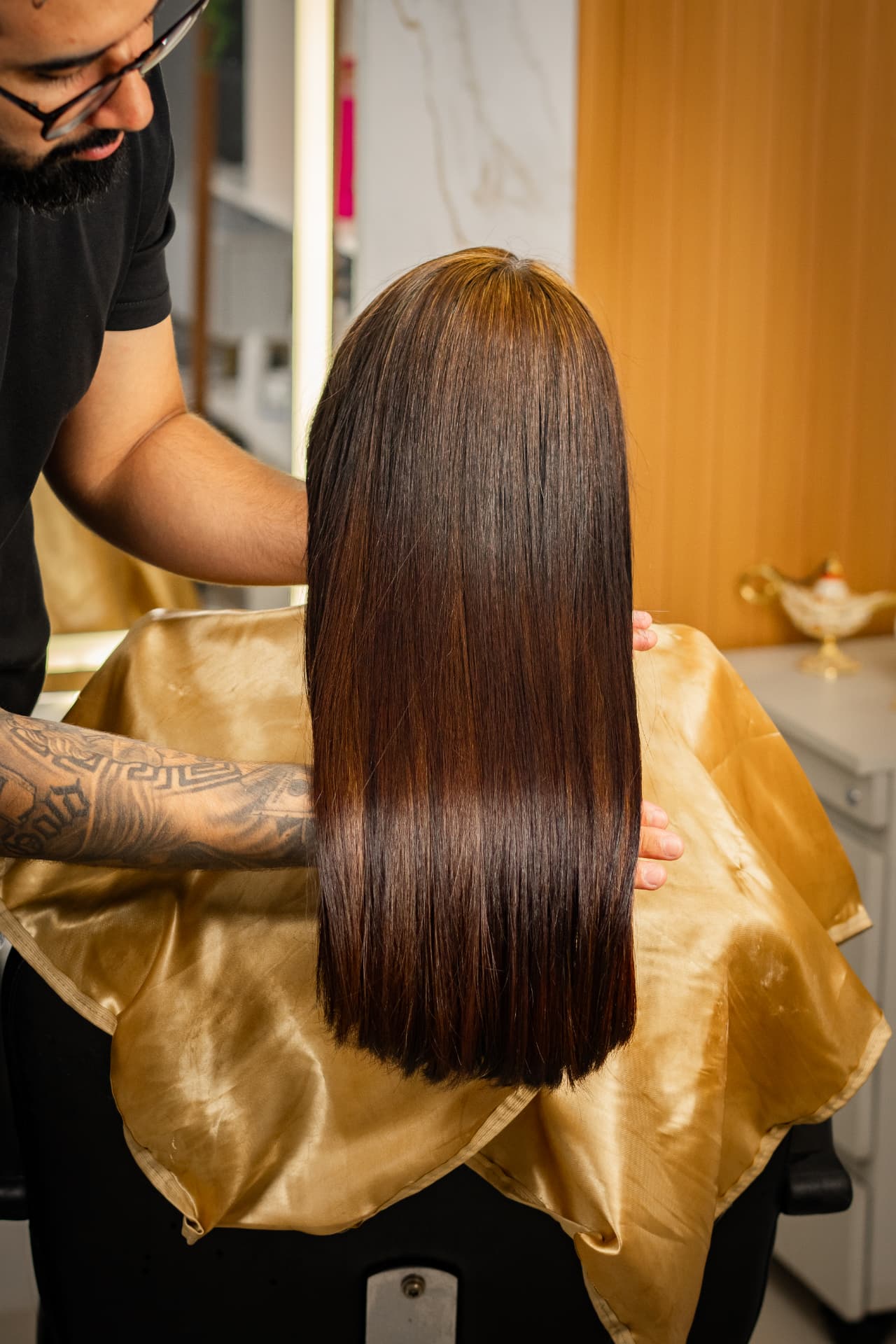
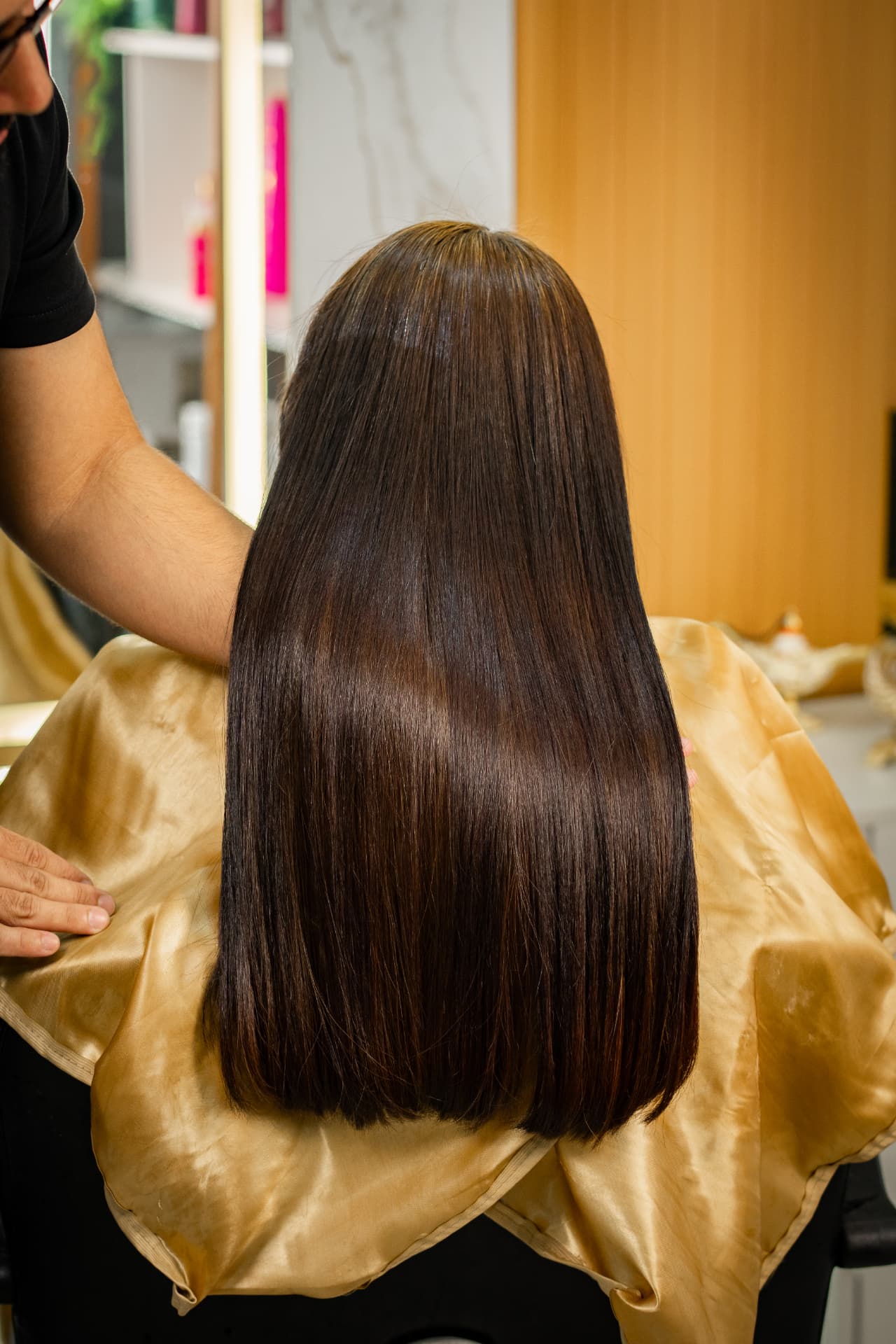
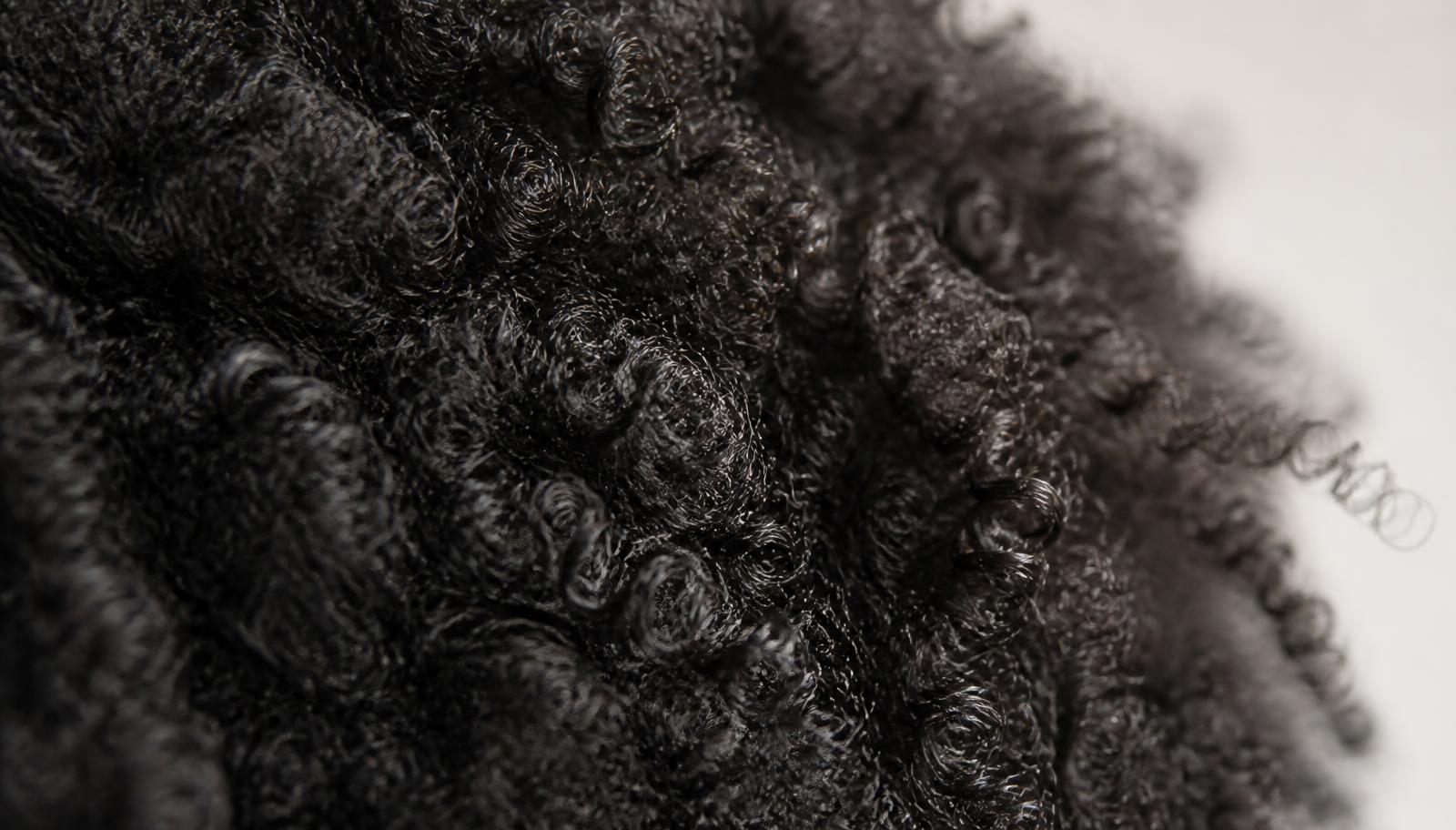
Can Nanoplastia straighten afro and coily hair completely? Yes. Nanoplastia works in the cortex and the cuticle, and on tightly coiled, thick or highly resistant hair it can deliver a 100% straight, mirror-smooth finish. The same service can also be steered to a natural anti-frizz result or to defined, elongated curls — the outcome is a technique decision, not a limitation of the product.
Afro and tightly coiled textures have historically been underserved by smoothing menus built around looser hair types, and many clients have been told, directly or indirectly, that a full straight result 'isn't really possible' on their hair without damage. That claim does not hold up against correct technique. The limiting factor on resistant textures is almost always diagnosis and thermal sealing discipline, not the hair itself.
Why coily hair is a technique problem, not a barrier
Tightly coiled hair has an elliptical cross-section, more twist points along the strand and often a higher cuticle density. Those points are where frizz returns and where an under-processed service loses its finish first. They are not reasons to lower the promise — they are reasons to be precise with diagnosis, sectioning and heat.
Step 1 — diagnose before you promise
- Map porosity and elasticity along the length: root, mid-length and ends often behave like three different heads of hair on resistant textures.
- Record every previous chemical service — relaxer, bleach, permanent colour, henna — and how long ago it was done.
- Agree the target finish with the client in writing: 100% straight, natural movement, or curl definition.
- Photograph the starting point in the same light you will use for the after photo, with the client's permission.
Step 2 — choose the finish, then build the parameters
| Target finish | How the technique changes |
|---|---|
| 100% straight, mirror-smooth | Smaller sections, full processing time, complete thermal sealing on every strand |
| Natural, soft movement | Shorter processing, fewer passes, controlled tension |
| Anti-frizz only | Minimum processing that closes the cuticle without realigning the pattern |
| Curl definition / elongation | Reduced processing with no straightening tension, diffused drying |
Step 3 — sectioning and application on dense hair
Dense coily hair hides untreated strands. Work in thin, disciplined sections, apply evenly from the mid-length out and check saturation by touch, not by eye. Product that never reaches the strand cannot straighten it, and the client will read that as a product failure three weeks later rather than as an application error.
Give yourself more chair time on this hair type than you would budget for straight or wavy hair. A rushed application on dense afro hair is the single biggest predictor of patchy results, because sections that look saturated from the outside can still have dry cores that never receive the active.
Step 4 — full processing time decides the chemistry
Respect the full 40 to 60 minute processing window on coily and afro hair, even when the strand looks visually relaxed earlier than that. The active needs that window to fully penetrate and reorganise the cortex on a denser, more resistant fibre — shortening it is the most common reason a 100% straight promise is not met on this hair type.
Step 5 — thermal sealing decides the result
- 1Dry completely — residual water blocks the sealing stage and prevents the cuticle from closing evenly.
- 2Work in sections thin enough for heat to reach the whole strand, including the densest areas at the crown and nape.
- 3Keep a consistent, controlled tension; inconsistent tension shows as waves at the root once the hair settles.
- 4Repeat passes until the strand is glass-smooth, then stop — more heat after that point damages, it does not straighten further.
A word on names: keratin, protein, Nanoplastia
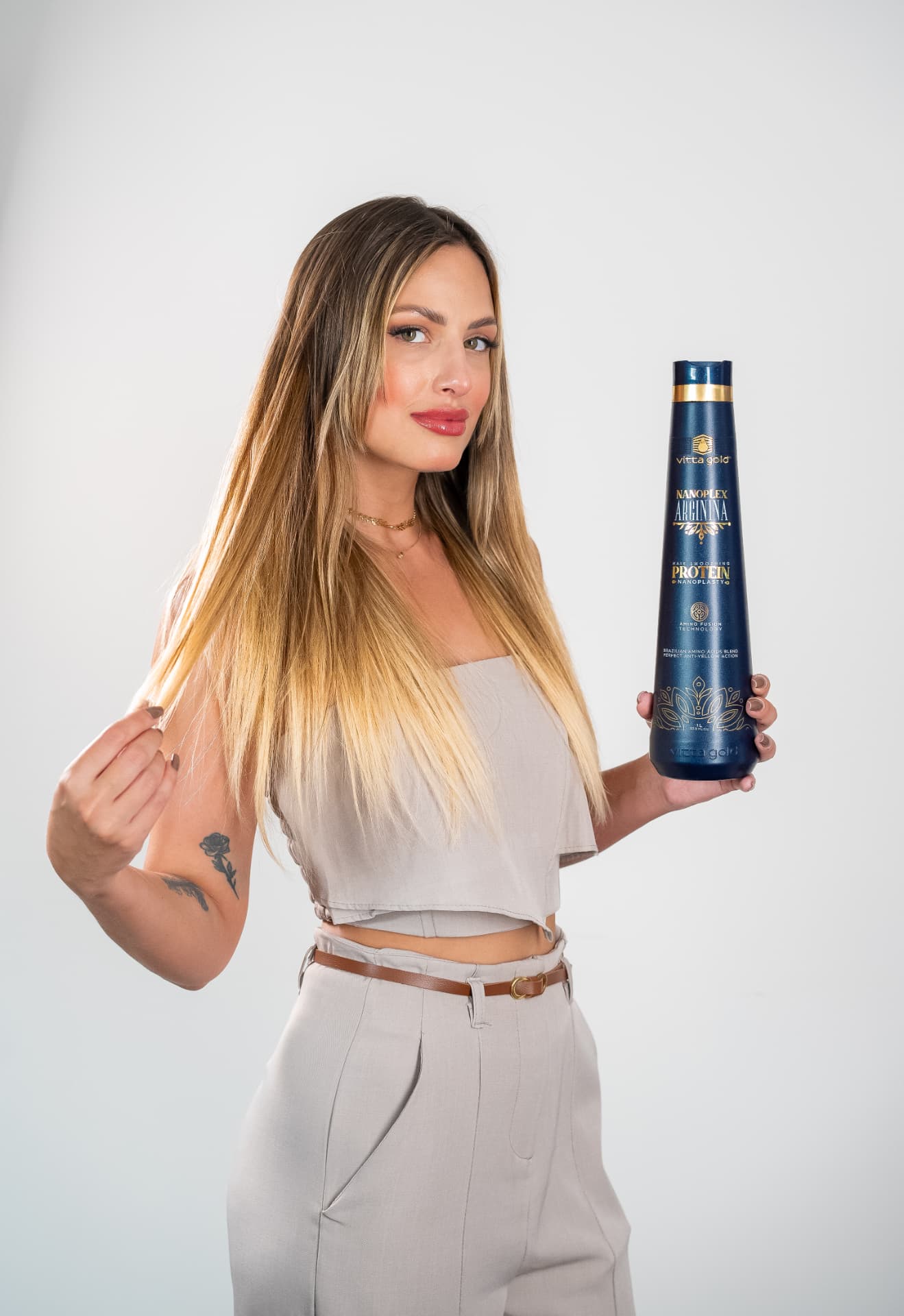
Keratin treatment, protein treatment, hair botox and Nanoplastia are commercial names inside the same family: chemical hair smoothing. A Nanoplastia containing hydrolysed keratin can legitimately be called a keratin treatment; one built on hydrolysed proteins can be called a protein treatment. What actually separates services is the quality of the raw materials and the smoothing active. Nanoplex Arginina™ Amino Fusion carries amino-acid keratin, hydrolysed proteins and Nanoplastia technology, so it fits every one of those categories and is judged on safety, quality and performance.
Aftercare that protects the result
On coily hair the maintenance conversation matters as much as the service. Sulphate-free washing, low-manipulation drying and a scheduled return between three and six months keep the finish where the client left the chair. Set this expectation before she leaves, not at the next appointment when regrowth is already visible.
Common pitfalls on resistant and chemically treated textures
- Skipping the strand test on previously relaxed hair, which has reduced structural reserve and less tolerance for heat.
- Treating a 100% straight finish as 'not achievable' on this hair type and defaulting every client to anti-frizz without discussing the option.
- Applying standard-hair processing times instead of respecting the full 40 to 60 minutes resistant hair needs.
- Using high, uncontrolled flat-iron temperatures to compensate for an under-processed strand instead of fixing the processing time.
How should the consultation differ from a straight-hair client?
Spend more time up front on expectation-setting. Many coily and afro clients arrive having been refused a full straight result elsewhere, or having experienced a service that reverted within weeks because it was under-processed rather than correctly executed. Walk through what a 100% straight finish actually requires on their specific texture — full processing time, thin sectioning, complete thermal sealing — so the price and the appointment length make sense before you begin, not after.
Does hair density change how you budget chair time?
Yes, directly. A dense, waist-length coily head can reasonably take 3 hours or more of chair time once diagnosis, sectioning, full processing and complete thermal sealing are all respected, compared with roughly 2 hours for a short, looser-textured head. Budgeting this correctly protects the quality of the service — a rushed appointment on dense hair is where under-processing and patchy results start, regardless of how skilled the stylist is.
Sources
- Hair Cosmetics: An Overview — International Journal of Trichology (NIH/PMC) — Hair structure, cosmetic chemistry and how treatments act on the fibre
- StatPearls — National Library of Medicine — Anatomy and physiology of the hair fibre
- American Academy of Dermatology — Healthy hair care and heat-styling guidance
Free for professionals
8 Mistakes That Can Ruin Your Nanoplastia Results
The technical and commercial errors behind most failed services — skipped diagnosis, thick sectioning, improvised heat, weak aftercare and pricing that destroys your hourly rate — with the checklist to prevent each one.
Download the free guideFrequently asked questions
Can Nanoplastia make afro hair 100% straight?
Yes. Nanoplastia can deliver a 100% straight, mirror-smooth finish on afro and tightly coiled hair when diagnosis, processing time and thermal sealing are correct. The same service can also be adjusted to a natural anti-frizz result or defined curls.
Is Nanoplastia safe on relaxed hair?
It can be, but only after a strand test. Previously relaxed hair has less structural reserve, so the strand test defines the processing time and how much thermal sealing the hair will tolerate.
How long does Nanoplastia last on coily hair?
Between three and six months, depending on the technique used and on home care. Sulphate-free washing and a scheduled maintenance visit sit at the longer end of that range.
Does Nanoplastia damage tightly coiled or afro hair?
Not when the protocol is followed. Damage comes from skipped diagnosis, a missed strand test or excessive heat, not from the treatment itself. Correct sectioning and thermal sealing protect the fiber while still reaching the chosen finish.
Why do some stylists say afro hair can't go fully straight with keratin-family treatments?
That claim usually comes from under-processing or rushed thermal sealing, not from a real limit of the hair or the chemistry. With correct diagnosis and full 40 to 60 minute processing, a 100% straight finish is achievable on afro hair.
How much chair time should I budget for coily or afro hair?
More than for straight or wavy hair. Denser sections take longer to section, saturate and thermally seal, so budgeting extra time protects the quality of the result rather than rushing to match a standard appointment slot.
Can curl definition be delivered on very tight coils instead of straightening?
Yes. Reduced processing with no straightening tension and diffused drying can elongate and define the coil pattern while removing frizz, as an alternative finish to full straightening.