
Nanoplastia Course Online: How to Choose a Certification That's Worth It
What a serious online Nanoplastia course must teach: diagnosis, the full protocol, every hair type, a certificate and real support — a checklist before you pay.
Vitta Gold Academy · September 25, 2026 · 10 min read
Key takeaways
- A good Nanoplastia course teaches diagnosis first, then the full protocol for every hair type.
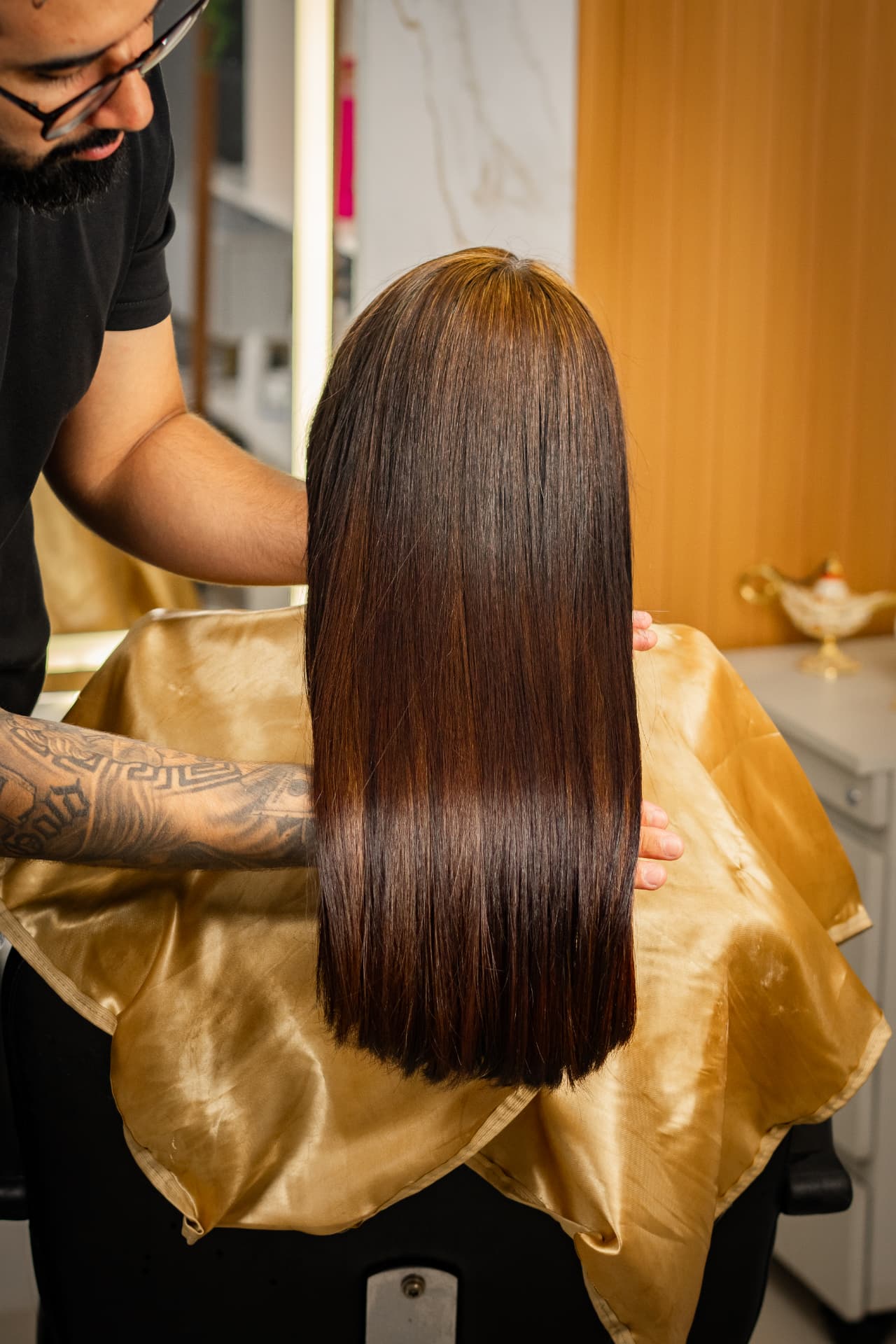
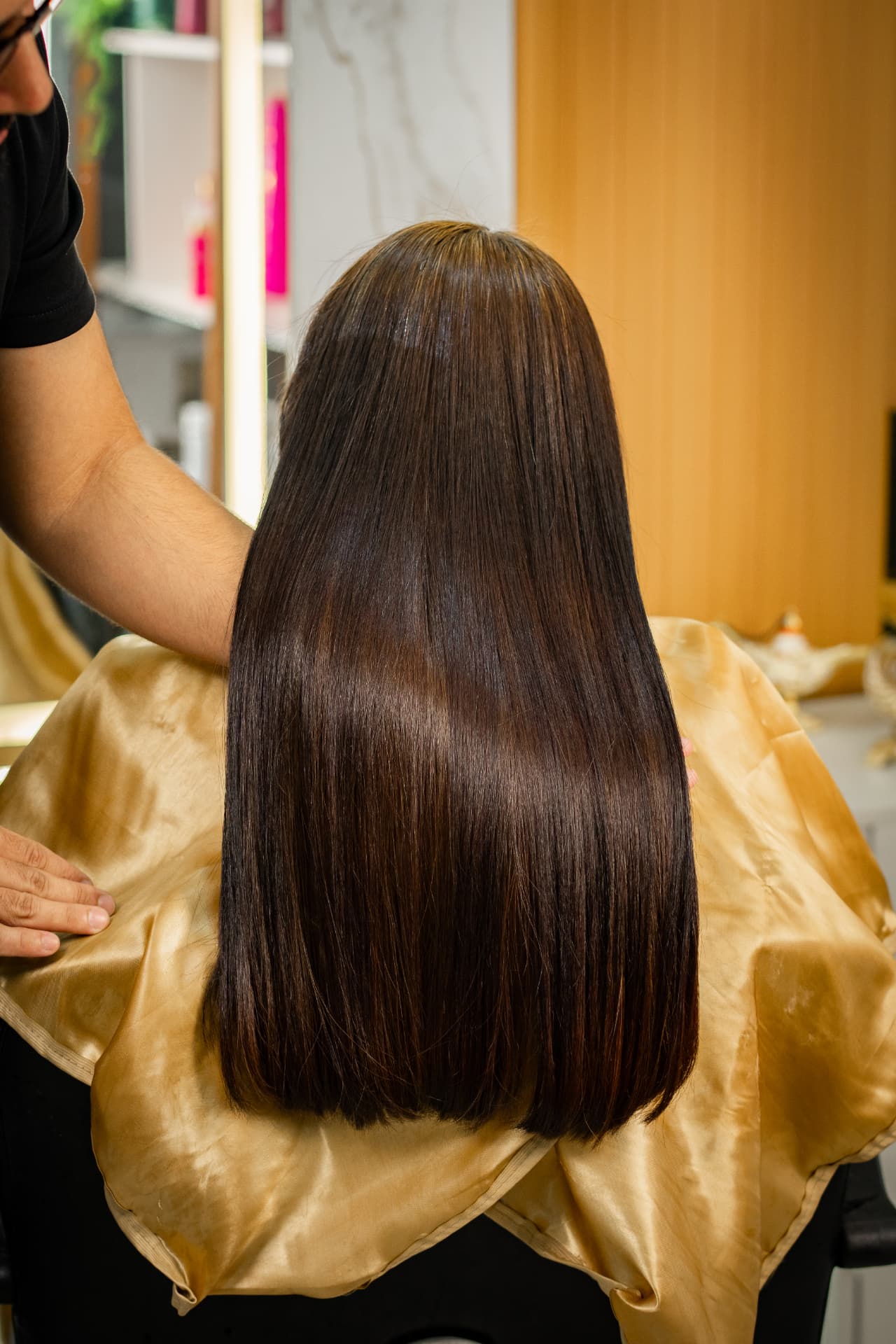
- Nanoplastia reaches 100% straight on any hair type and can also deliver a natural anti-frizz or curl-defined finish, lasting 3 to 6 months.
- Processing takes 40 to 60 minutes, never a rushed 20 — a course that skips this detail is teaching a shortcut, not a protocol.
- Look for real before-and-after work, a named educator, a certificate and support after the lessons end.
- A certificate proves training; your state or country licence still governs who may perform chemical services.
How do you choose an online Nanoplastia course? Pick one that teaches hair diagnosis before application, covers the complete protocol from wash to thermal sealing with 40–60 minute processing, shows results on straight, wavy, curly and coily hair reaching 100% straight or an adjustable anti-frizz finish, and gives you a certificate plus support after the lessons. A course that only demonstrates one application on one model teaches a product, not a service.
Why take a course instead of learning from videos?
Free videos show the application. They rarely show the decisions that make a result last 3 to 6 months: reading porosity and previous chemistry, choosing the finish, timing the full 40–60 minute processing and setting the flat-iron passes by hair type. Those decisions are where redos and damaged hair come from, not the product itself.
What must a Nanoplastia certification course include?
| Must have | Why it matters | Red flag |
|---|---|---|
| Hair diagnosis and strand test | Decides whether, and how, to apply | Skips straight to application |
| Full protocol, step by step | Wash, application, 40–60 minute processing, rinse, drying, sealing | Shows a 20-minute shortcut or skips processing entirely |
| Every hair type, including coily | Nanoplastia reaches 100% straight on any hair type | Only fine, straight-ish models |
| Adjustable finish | 100% straight, natural anti-frizz or curl definition, decided at consultation | One result for every client |
| Action in cortex and cuticle | Explains why the result holds 3 to 6 months | Vague or missing explanation of mechanism |
| Coloured and bleached hair | Your most common — and riskiest — clients | Not mentioned |
| Pricing and aftercare | Turns the technique into income and rebookings | No business content |
| Certificate and support | Proof of training plus help on real cases | Nothing after checkout |
How can you check a course before you pay?
- 1Find the educator's name and look for their own client work, not stock photos.
- 2Read reviews written by professionals about their clients' results.
- 3Check the curriculum lists diagnosis, coloured hair and coily hair by name.
- 4Confirm the processing time taught is 40 to 60 minutes, not a rushed shortcut.
- 5Confirm what happens after the last lesson: certificate, community, technical support.
- 6Look for a money-back guarantee — it shows the school stands behind the content.
Does the course need to cover both cortex and cuticle action?
Yes. A course that only explains surface-level frizz control is teaching half the mechanism. Nanoplastia's active penetrates the cortex to reorganize the internal structure while also acting on the cuticle, which is why a correctly applied service holds its shape for 3 to 6 months rather than washing out after a few shampoos. A curriculum that cannot explain this distinction usually cannot teach you to troubleshoot a result that falls short, either.
Why does hair type coverage matter so much in a curriculum?
Nanoplastia reaches 100% straight on any hair type, from fine and straight-leaning to coarse, curly and coily textures, and the finish can be dialed back to a natural anti-frizz result or curl definition instead. A course that only demonstrates on one or two easy hair types leaves you unprepared for the majority of real bookings — and it is exactly the clients with denser or more resistant hair who are usually willing to pay the most for a reliable result.
Online or in person?
Online wins on repetition: you can rewatch the diagnosis and sealing steps before every early client, and you learn at the price of one service instead of a week of travel. In-person training adds hands-on correction. Many stylists start online, practise on a model with an intro set, then keep the lessons as a reference.
What does the Nanoplastia Professional System include?
The Nanoplastia Professional System™ by Vitta Gold Academy teaches 9 video lessons covering diagnosis, materials, sectioning, processing, thermal activation, finishing and aftercare, plus 2 bonus guides, a digital certificate, lifetime access, one year of the Vitta Gold Experts partner program and a 7-day money-back guarantee. Vitta Gold products are used in more than 15,000 salons, which gives graduates a recognizable standard to reference with clients. At typical salon prices, the course is recovered on the first full-price service.
What topics should a pricing and business module cover?
Technique alone does not build a profitable Nanoplastia business. Look for a course that also teaches how to calculate chair-time pricing, how to position the service against cheaper smoothing options, and how to build a 3-to-6-month rebooking cycle around the result. A course that teaches flawless technique but leaves pricing to guesswork is only solving half the problem.
A course that shows you one perfect head of hair taught you a demonstration. A course that shows you diagnosis, every hair type and a protocol taught you a profession.
What practical exercises should a good course assign?
Look for a course that asks you to complete a documented practice service on a model before your first paid booking: a written diagnosis, photos of the strand test, timed processing, and before-and-after photos. Courses that end at the last video, with no practical assignment, leave you to work out your first real-world diagnosis decisions on a paying client instead of a model.
How should a course address common mistakes?
A thorough curriculum walks through the most common failure points explicitly: skipping the strand test, rushing processing time, uneven thermal sealing, and smoothing and chemically lightening hair in the same appointment. Naming these mistakes directly, rather than only showing a perfect demonstration, is what prepares you for the imperfect, real heads of hair you will actually work on.
What support should continue after you finish the lessons?
- A way to ask questions about a specific, difficult client case.
- Access to updates if the protocol or recommended products change.
- A community of other certified professionals to compare notes with.
- Marketing or certificate materials you can show clients directly.
Sources
- U.S. Department of Labor, CareerOneStop — Occupational licensing requirements for cosmetologists and estheticians
- National-Interstate Council of State Boards of Cosmetology (NIC) — State cosmetology board licensing information
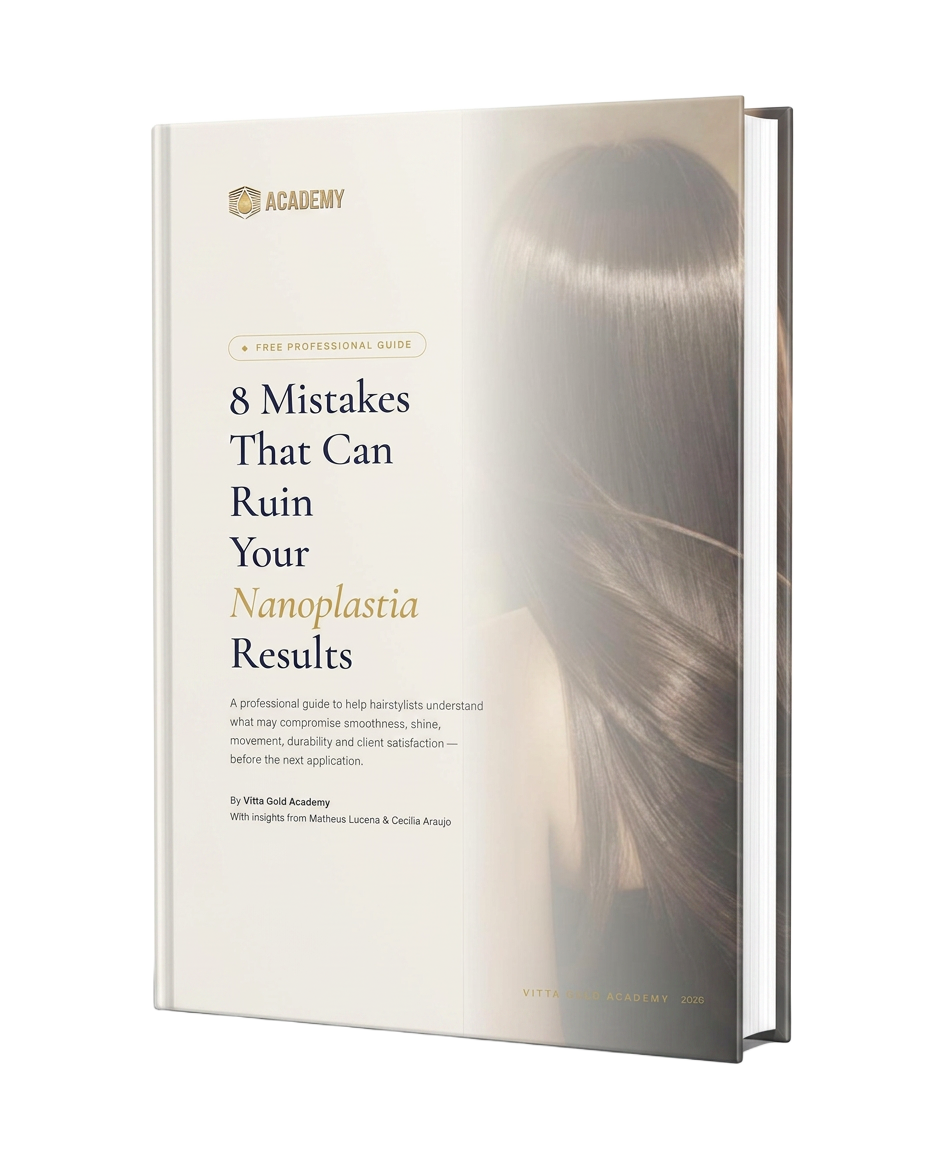
Free for professionals
8 Mistakes That Can Ruin Your Nanoplastia Results
The technical and commercial errors behind most failed services — skipped diagnosis, thick sectioning, improvised heat, weak aftercare and pricing that destroys your hourly rate — with the checklist to prevent each one.
Download the free guideFrequently asked questions
Can I learn Nanoplastia online?
Yes. A structured online course with diagnosis, the full protocol and real case examples lets you learn and rewatch each step. Practise on a model before your first paying client.
Is a Nanoplastia certificate the same as a cosmetology licence?
No. The certificate proves training in the technique; a licence, where required, governs who may perform chemical services. They complement each other.
How long does it take to learn Nanoplastia?
Most professionals complete the lessons in a few days and are ready for a model after one practice session. Confidence on every hair type comes with the first 5 to 10 clients.
Does a Nanoplastia course also cover keratin and protein smoothing?
The principles overlap: keratin, protein, botox and Nanoplastia are commercial names within chemical hair smoothing. A good course explains the actives so you can apply the knowledge across services.
How long should Nanoplastia processing time be in the curriculum?
40 to 60 minutes, depending on hair type and diagnosis. A course teaching a 20-minute shortcut is teaching a technique that will not hold for 3 to 6 months.
Does the course need to cover coloured and bleached hair?
Yes. These are among the most common and riskiest clients a stylist sees, and a serious curriculum covers porosity diagnosis and sequencing for chemically treated hair by name.
What finishes should a Nanoplastia course teach me to deliver?
100% straight, a natural anti-frizz result, and curl definition — all achievable on any hair type depending on processing and technique decided at consultation.