
Hair Botox vs Keratin vs Taninoplastia vs Nanoplastia: Hair Smoothing Treatments Compared
Where the names hair botox, keratin, taninoplastia and Nanoplastia come from, which actives define each one, how finish is adjusted, and what really matters when choosing a smoothing product.
Vitta Gold Academy · September 25, 2026 · 9 min read
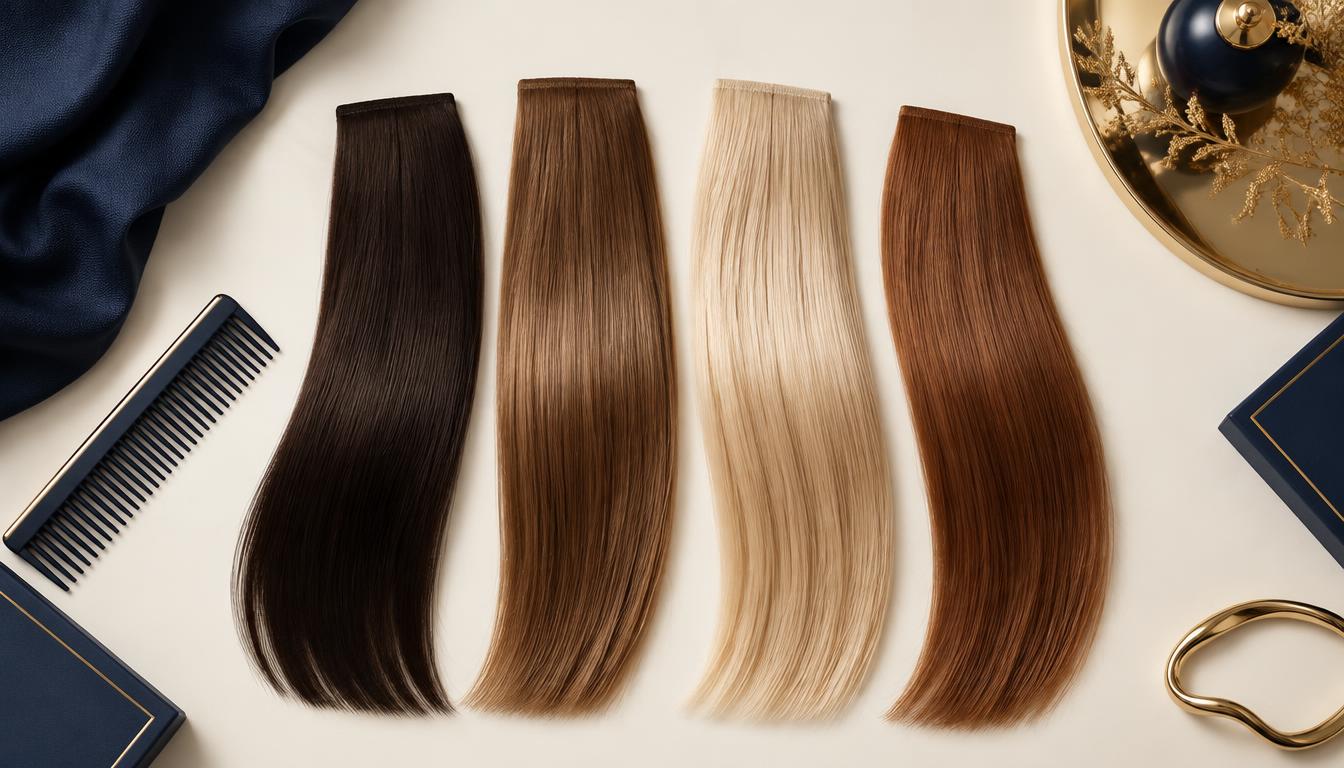
Key takeaways
- Each market name comes from a hero active or a marketing promise: hydrolysed keratin, a tannin complex, a 'filling' treatment, nano-sized actives.
- Hair botox is usually positioned as a lighter smoothing combined with an intensive treatment; keratin and taninoplastia vary widely by formula.
- The same formula can be a keratin, a botox or a Nanoplastia depending on its actives and on how the professional adjusts the application.
- What defines the result is the smoothing active, its concentration, the pH, the raw-material quality and the technique — not the label.
What is the difference between hair botox, keratin, taninoplastia and Nanoplastia? Each name points to the active or promise a product was built around — hydrolysed keratin, tannins, an intensive 'filling' treatment or nano-sized actives. The smoothing itself comes from the active chemistry and the technique, which is why products cannot be compared by name alone.
Where each name comes from
Chemical smoothing has always been sold by its most marketable ingredient. The name tells the client what the brand wants to highlight; it rarely tells the professional what actually changes the shape of the fibre. Knowing the origin of each term is the fastest way to read past it.
- Keratin: named after hydrolysed keratin, fragments of the protein that makes up most of the hair fibre. Hydrolysed keratin conditions, fills porous areas and adds body — but on its own it does not straighten. The straightening in a 'keratin treatment' comes from the smoothing active it is paired with, historically formaldehyde and, in newer formulas, alternatives such as glyoxylic acid.
- Protein treatment: the same logic with hydrolysed vegetable or animal proteins (wheat, soy, silk, collagen). The name describes the conditioning system, not the smoothing chemistry.
- Hair botox: borrowed from aesthetics to suggest 'filling' and rejuvenating the strand. It is usually positioned as a lighter smoothing combined with an intensive treatment — rich in amino acids, proteins, oils and conditioning agents — reducing volume and frizz more than it changes the shape.
- Taninoplastia: named after a tannin complex, plant polyphenols able to bind to proteins. Tannins are marketed as the 'natural' route; in practice they are usually combined with acids and heat, and the result again depends on the full formula.
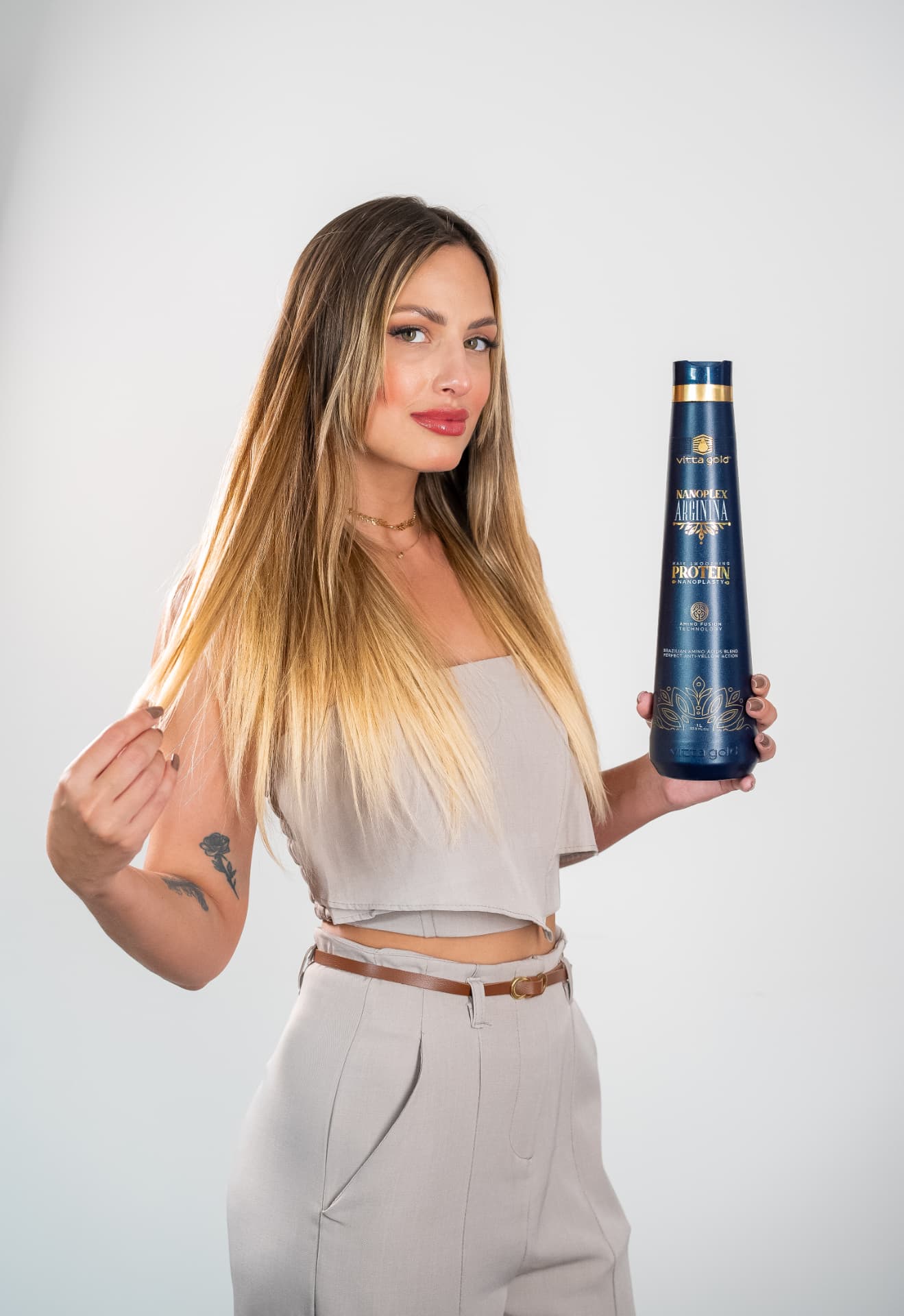
- Nanoplastia: named after nanotechnology — actives with very small molecular size, typically amino acids and low-molecular-weight compounds, designed to reach the cortex and be fixed with heat while the cuticle is sealed.
What actually changes the shape of the hair
Hair shape is held by bonds inside the cortex — disulphide bonds, and weaker hydrogen and salt bonds that respond to water and heat. A smoothing service works by temporarily reorganising that structure and fixing a new alignment, usually with a flat iron. Which bonds are affected, how deeply and how gently depends on the active, its concentration, the pH of the formula and the temperature used.
This is where the families genuinely differ. Older formaldehyde-based systems cross-link the fibre in a rigid way and release gas when heated, which regulators such as the US FDA and OSHA have flagged for years. Modern formaldehyde-free systems replaced them with actives such as glyoxylic acid, carbocysteine and amino acids — none of which are formaldehyde releasers. Within this family, the difference between an average product and an excellent one lies in the balance of the formula: the right concentration, a controlled pH and treatment actives that nourish the fibre and protect colour while it is being smoothed.
How Nanoplastia works differently
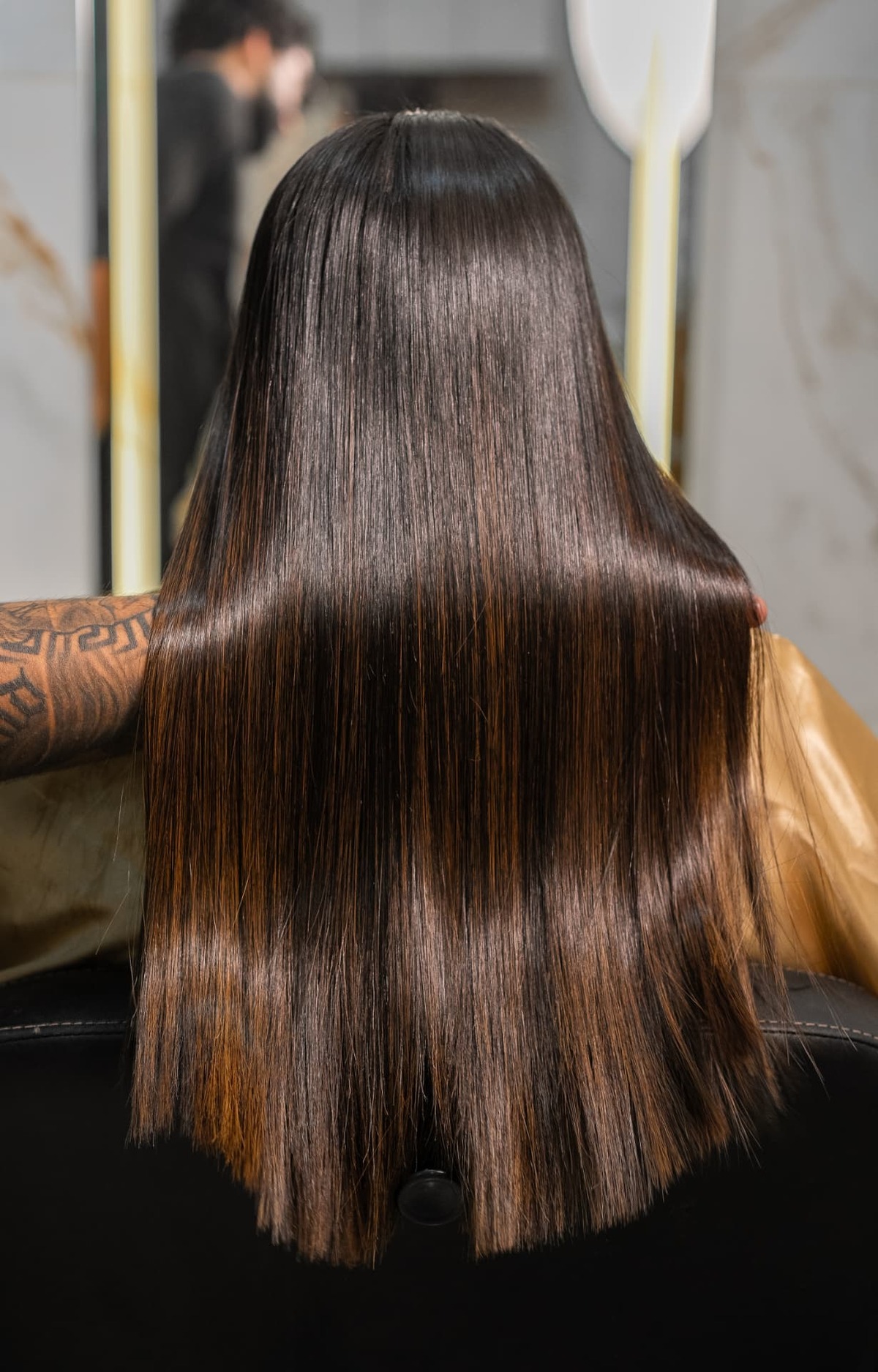
The idea behind Nanoplastia is precision rather than force. Actives with a small molecular size reach the cortex, where the alignment is set, while the heat step seals the cuticle over them. A well-formulated system treats and nourishes from the inside while it smooths and seals from the outside, protecting colour and shine instead of compromising them. The result typically lasts three to six months, depending on hair type, technique and homecare. With a high-quality product used consistently — root touch-ups and periodic realignment of the lengths — the hair tends to keep its smoothness, shine and quality over time, without cumulative damage.
Adjustment: why the finish is not fixed by the name
Much of what the market treats as different 'products' is really different adjustment. The same formula, handled differently, produces different finishes:
- Product quantity and distribution: more product and fuller saturation push toward a fully straight result; lighter application keeps natural volume.
- Processing time: within the 40–60 minute window, the professional controls how far the realignment goes.
- Flat-iron temperature and number of passes: these fix the new alignment; fewer, lower passes leave more movement.
- Section size and tension: fine sections with tension give a mirror-straight finish; wider sections give a softer one.
That is why Nanoplastia can deliver 100% straight on any hair type, an anti-frizz natural finish, or curl definition, from the same system. Adjusted lightly with a strong treatment focus, it gives the result clients know as botox; with hydrolysed keratin in the formula, it is also a keratin treatment.
Side-by-side, as the market usually sells them
| Hair botox | Keratin treatment | Taninoplastia | Nanoplastia | |
|---|---|---|---|---|
| Name comes from | Aesthetic 'filling' idea | Hydrolysed keratin | Tannin complex | Nano-sized actives |
| Typical positioning | Lighter smoothing + intensive treatment | Smoothing and frizz control | Plant-based smoothing | Realignment in cortex and cuticle |
| What really smooths | Depends on the formula | The paired smoothing active | Tannins plus acids and heat | Formaldehyde-free active with amino acids |
| Finish | Usually soft, reduced volume | Varies by formula | Varies by formula | Adjustable: 100% straight to curl definition |
| Duration | Varies by formula | Varies by formula | Varies by formula | 3 to 6 months |
Read the table as a map of marketing positions, not chemistry. Two 'keratins' from different labs can behave more differently than a keratin and a Nanoplastia from the same one.
What to evaluate instead of the name
- 1The smoothing active and its concentration — the full INCI list, checked against the European Commission's CosIng database.
- 2Whether heat releases formaldehyde, directly or through releasers.
- 3The pH of the formula and how it behaves on coloured and blonde hair.
- 4Raw-material quality and consistency between batches.
- 5How much control the system gives you over the finish.
- 6Strand-test results on the client's actual hair — diagnosis matters more than any label.
For a deeper look at diagnosis and adjustment, see Nanoplastia vs Keratin, Nanoplastia vs Hair Botox, or the full protocol in the Nanoplastia Professional System™.
Sources
- International Journal of Trichology (NIH/PMC) — Hair cosmetics: an overview — hair structure and how treatments act on the fibre
- U.S. Food and Drug Administration — Hair smoothing products that release formaldehyde when heated
- U.S. Occupational Safety and Health Administration — Hair salons: formaldehyde in hair smoothing products
- CosIng — European Commission — Cosmetic ingredient database (INCI names and restrictions)
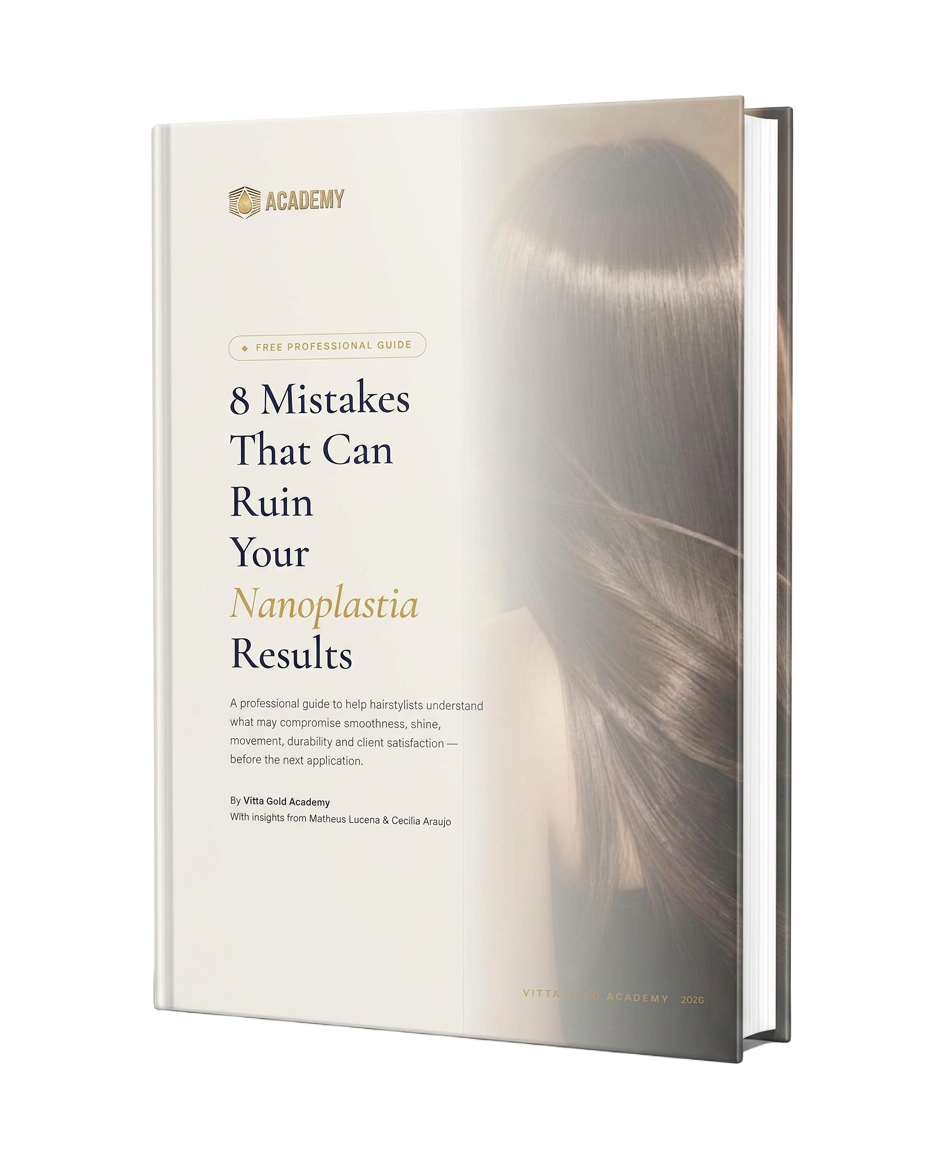
Free for professionals
8 Mistakes That Can Ruin Your Nanoplastia Results
The technical and commercial errors behind most failed services — skipped diagnosis, thick sectioning, improvised heat, weak aftercare and pricing that destroys your hourly rate — with the checklist to prevent each one.
Download the free guideFrequently asked questions
Is hair botox the same as keratin?
Not necessarily, and not necessarily different either. Hair botox is usually positioned as a lighter smoothing with an intensive treatment; keratin is named after hydrolysed keratin. The effect depends on each formula's smoothing active.
Can a Nanoplastia be a keratin or a botox?
Yes. A Nanoplastia with hydrolysed keratin is also a keratin treatment, and applied lightly with a treatment focus it delivers what the market calls botox. The names describe ingredients and positioning, not exclusive categories.
What is taninoplastia made of?
It is built around a tannin complex — plant polyphenols that bind to proteins — usually combined with acids and heat. Check the full ingredient list of each product.
How long does Nanoplastia last?
Typically three to six months, depending on hair type, technique and homecare. With a high-quality product and regular root touch-ups and realignment, the hair keeps its smoothness, shine and quality over time.