
Formaldehyde Free Keratin Treatment: The Professional's Complete Guide
Formaldehyde free keratin treatment explained for stylists: how it works, how to read a label, is keratin treatment safe, and how to deliver 100% straight results.
Vitta Gold Academy · October 14, 2026 · 10 min read
Key takeaways
- A formaldehyde free keratin treatment replaces formaldehyde donors with actives such as glyoxylic acid, amino acids and hydrolysed proteins, and can still reach 100% straight on any hair type.
- Keratin on a label is a conditioning ingredient, not a safety claim; the smoothing active decides whether a formula is formaldehyde-free.
- Regulators including the FDA, OSHA and California's AB 2762 all treat formaldehyde exposure from hair smoothing as a documented occupational hazard, which is why professional-grade salons have moved toward formaldehyde-free systems.
- A professional organic keratin treatment still needs full 40–60 minute processing and correct thermal sealing — formaldehyde-free chemistry does not shortcut technique.
- Coloured and bleached hair should always be smoothed first and coloured after, never in the same appointment, regardless of which keratin-family system is used.
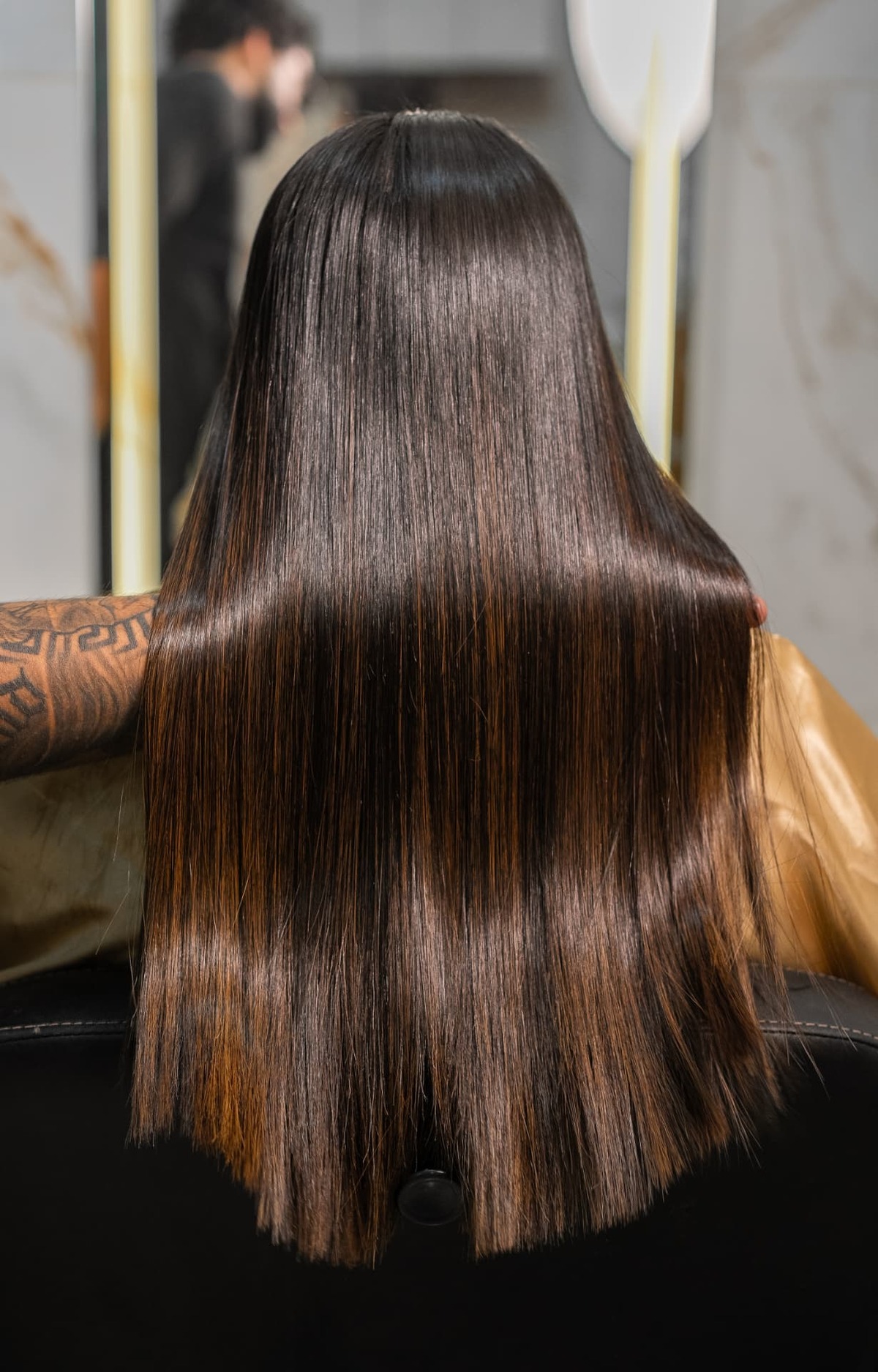
A formaldehyde free keratin treatment is a professional hair-smoothing service that reduces frizz and realigns the fiber using actives other than formaldehyde or formaldehyde-releasing agents — typically glyoxylic acid, amino acids and hydrolysed proteins — sealed into the hair with controlled heat. Done correctly, it reaches a 100% straight finish on any hair type and lasts 3 to 6 months.
For most of the last decade, 'keratin treatment' and 'formaldehyde' were treated as nearly synonymous in client conversations, and for good reason: many of the early salon smoothing systems used formaldehyde or a formaldehyde donor as the active ingredient that locked in the straight finish. That history is exactly why so many clients now ask, before they book, whether your keratin treatment is formaldehyde free — and why professional, best keratin treatment menus increasingly lead with that answer rather than bury it in fine print.
Is keratin treatment safe without formaldehyde?
Yes — a correctly formulated formaldehyde free keratin treatment, performed with professional technique and salon ventilation, removes the specific, well-documented formaldehyde exposure risk. It does not remove the need for gloves, airflow and a proper protocol, because any professional chemical service deserves that baseline of care.
Formaldehyde is a recognized workplace hazard in hair smoothing services, not a theoretical one. OSHA has measured formaldehyde levels in salons performing keratin-style treatments at levels several times its short-term exposure limit, and has cited manufacturers and salons over products that were marketed as 'formaldehyde-free' while still releasing formaldehyde gas during blow-drying and flat-ironing.
The FDA has separately warned the industry that hair-smoothing products containing methylene glycol — formaldehyde dissolved in water — release formaldehyde gas when heated during the service, regardless of what the front label claims, and has flagged this specifically for hair smoothing products.
California has gone further through legislation: AB 2762, the Toxic-Free Cosmetics Act, bans the intentional addition of formaldehyde, paraformaldehyde, methylene glycol and quaternium-15 in cosmetic products sold in the state, effective 2025. Any stylist buying smoothing product for a California salon, or shipping to California clients, needs to know this regulation by name.
Why 'keratin' on the bottle is not a safety claim
Keratin, protein, botox, Brazilian blowout and Nanoplastia are commercial names for one family — chemical hair smoothing — and keratin itself is a conditioning protein, not the ingredient that straightens hair. A Nanoplastia formulated with hydrolysed keratin is also, correctly, a keratin treatment; one formulated with hydrolysed proteins is also a protein treatment. What actually separates a safe, professional keratin treatment from a risky one is the smoothing active and the quality of the raw materials behind it — never the word printed on the front of the bottle.
This is also why the phrase 'organic keratin treatment' deserves scrutiny rather than trust. 'Organic' is a marketing term in most salon product contexts, not a regulated safety certification for hair smoothing chemistry. The only way to know what a product does to hair and to the air in your salon is to read the full ingredient list and ask the supplier to confirm, in writing, what the smoothing active is.
Keratin treatment without formaldehyde: what actives do the work?
| Active | Role in the formula | What a professional should verify |
|---|---|---|
| Glyoxylic acid | Formaldehyde-free realignment active used under heat | Correct pH, professional-only use, full rinsing protocol |
| Amino acids (e.g. arginine) | Rebuild and realign the cortex, support the new shape | Concentration and raw-material quality in the supplier's documentation |
| Hydrolysed keratin / proteins | Conditioning, shine, fiber support | Present as a support ingredient, not marketed as the sole active |
| Formaldehyde or releasers (methylene glycol, quaternium-15) | Cross-link the fiber under heat in older-style systems | Should not appear on a formaldehyde-free product's INCI list at all |
Formaldehyde and formaldehyde-releasing actives do still exist in some products on the market, often without the word 'formaldehyde' printed anywhere on the front label. Reading the full INCI ingredient list — not the marketing copy — is the only reliable way to know what is in the bottle. For a deeper breakdown of how these actives compare, see our dedicated comparison.
Does a formaldehyde-free formula still reach 100% straight?
Yes. With correct diagnosis, full 40 to 60 minute processing time and precise thermal sealing, a formaldehyde-free professional keratin treatment such as Nanoplastia reaches 100% straight on any hair type, including coarse and highly resistant textures — the finish is never limited by the absence of formaldehyde, only by technique.
The chemistry works in two layers: the active penetrates the cortex and reorganizes the cuticle while it is still mobile, and controlled flat-iron heat then seals that new alignment in place. That is true whether the active is a formaldehyde donor or a formaldehyde-free alternative — the mechanism that fixes the new shape is thermal sealing, not the specific molecule doing the realigning.
How to choose a professional keratin treatment
Choosing the best keratin treatment for your salon means evaluating the supplier's documentation before you evaluate the marketing. Ask for the full ingredient list, the safety data sheet, and written confirmation of whether the formula releases formaldehyde under the heat of a flat iron — a supplier who hesitates on any of those three has already answered the question.
- 1Request the complete INCI ingredient list, not a summary sheet.
- 2Ask in writing whether the formula releases formaldehyde or methylene glycol when heated.
- 3Confirm the pre-treatment / deep-cleansing shampoo recommended by the system, rather than defaulting to a generic clarifying shampoo.
- 4Check the recommended processing time; a protocol under 40 minutes on resistant hair is a red flag, not an efficiency.
- 5Review the home-care line the supplier recommends to extend the 3 to 6 month result.
- 6Confirm the finish range the system can deliver — straight, natural anti-frizz and curl definition — so you can set client expectations correctly.
Keratin treatment without formaldehyde on color-treated hair
A formaldehyde-free keratin treatment is a good candidate for coloured hair once porosity has been diagnosed, but the sequence matters more than the chemistry: smooth the hair first, then colour or bleach afterward in a separate appointment, never in the same visit. Bleaching and smoothing on the same day compounds stress on the fiber in ways no formula, formaldehyde-free or otherwise, is designed to absorb.
What this means for client safety conversations
Clients increasingly ask 'is keratin treatment safe?' before they book, and the honest, professional answer has two parts: a formaldehyde-free system removes a specific, well-documented occupational hazard, and a correctly run protocol — ventilation, gloves, full processing time, correct sealing — keeps the service safe for both the client and the stylist performing it.
Being able to name your active, show the ingredient list and explain why you chose a formaldehyde-free keratin treatment without formaldehyde is, increasingly, a competitive advantage at the consultation chair, not just a compliance checkbox.
Pricing a formaldehyde-free professional service
Salons commonly charge between $250 and $600 for a formaldehyde-free Nanoplastia-family service, priced by hair length, density and chair time rather than as a single flat number. A 1L professional bottle typically covers around ten full-head applications, which is the baseline most salons use to calculate product cost against the service price.
Where Nanoplastia fits in the formaldehyde-free category
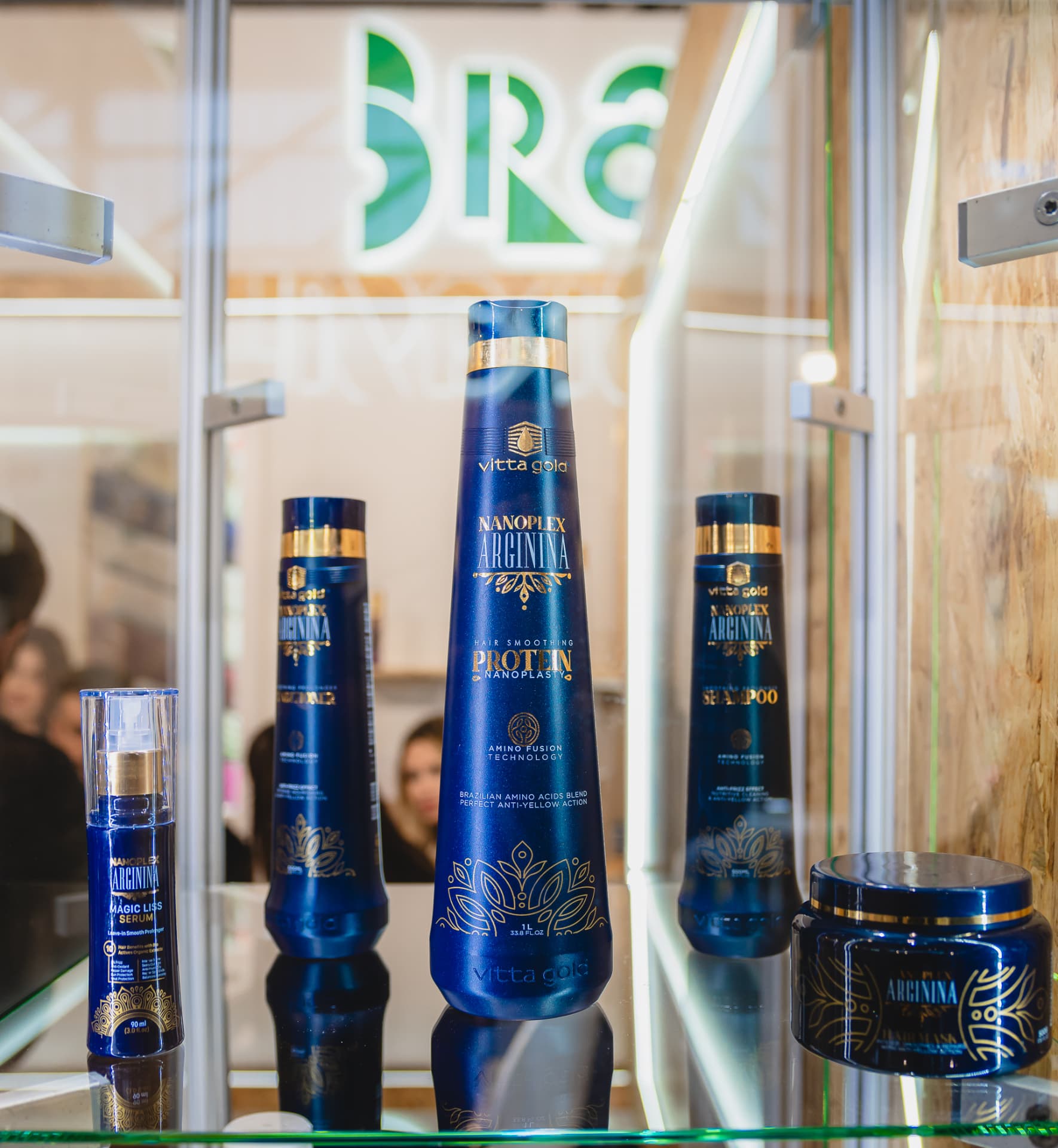
Nanoplastia is a formaldehyde-free member of the keratin-family of treatments. Because its active complex can be built with hydrolysed keratin or hydrolysed proteins, it is accurately described as a keratin treatment or a protein treatment depending on the formula — while acting in both the cortex and the cuticle to deliver a 100% straight, natural anti-frizz, or curl-definition finish that lasts 3 to 6 months. Stylists who want the full, step-by-step protocol can review it in detail.
The word on the bottle has never told a professional anything useful. The ingredient list does.
Nanoplastia vs keratin vs botox: where formaldehyde-free fits
All of these names describe the same family of chemical hair smoothing, and any of them can be formulated with or without formaldehyde. Choosing a formaldehyde-free keratin treatment is a decision about the active ingredient, not about which commercial name is printed on the service menu. For a full side-by-side comparison of how these services actually differ in technique and result, see our detailed guide.
Sources
- Occupational Safety and Health Administration (OSHA) — Formaldehyde exposure measured in salons performing hair smoothing treatments
- U.S. Food and Drug Administration — Hair smoothing products that release formaldehyde when heated
- California Legislative Information — California's ban on intentionally added formaldehyde in cosmetic products (AB 2762)
- Safe Cosmetics (Campaign for Safe Cosmetics) — Formaldehyde and formaldehyde-releasing preservatives in personal care products
- European Commission / EUR-Lex, Regulation (EC) No 1223/2009 — EU restrictions and labeling requirements for formaldehyde-releasing substances in cosmetics (Annex V)
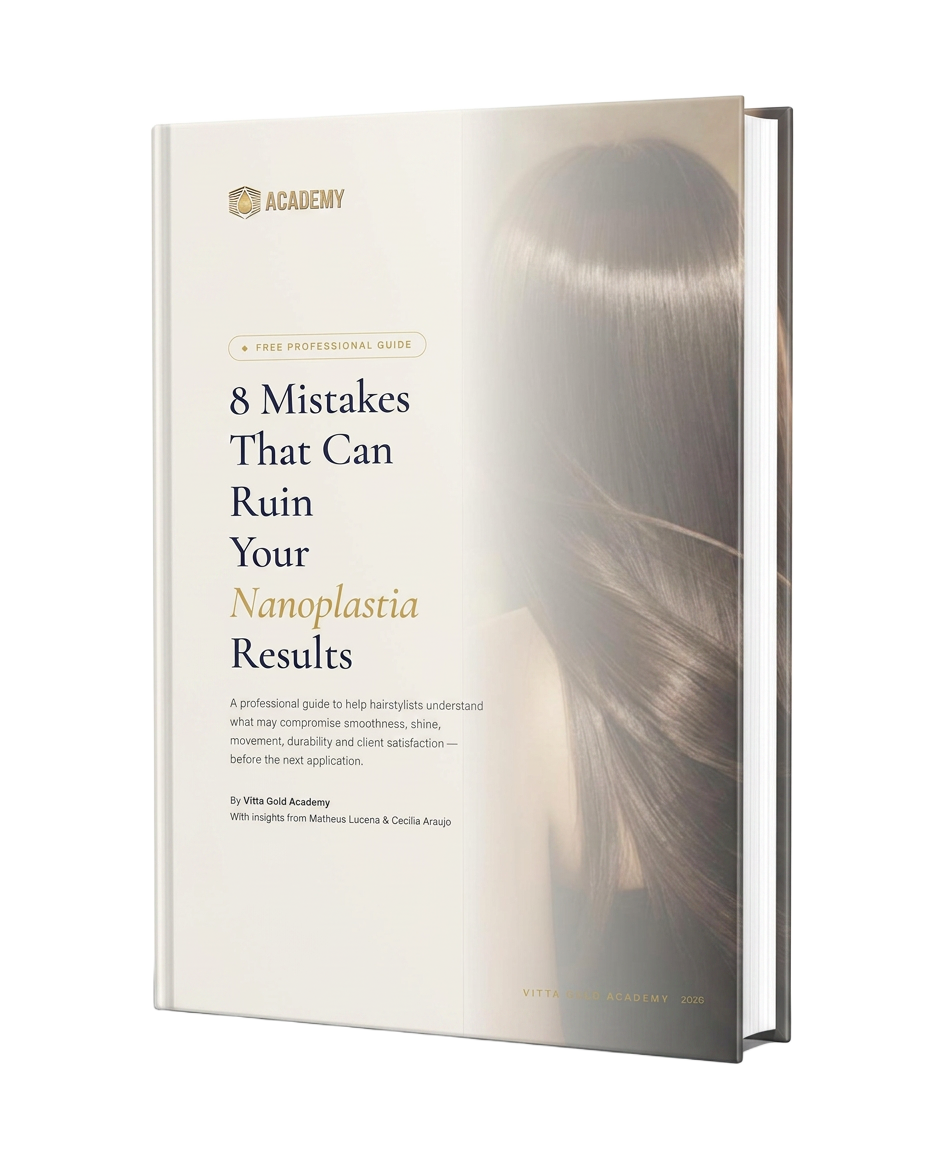
Free for professionals
8 Mistakes That Can Ruin Your Nanoplastia Results
The technical and commercial errors behind most failed services — skipped diagnosis, thick sectioning, improvised heat, weak aftercare and pricing that destroys your hourly rate — with the checklist to prevent each one.
Download the free guideFrequently asked questions
What is a formaldehyde free keratin treatment?
It is a professional smoothing service that uses actives other than formaldehyde — typically glyoxylic acid, amino acids or hydrolysed proteins — to realign the hair fiber, sealed with heat. It can still reach a 100% straight finish on any hair type.
Is keratin treatment safe if it's formaldehyde-free?
A formaldehyde-free formula removes a documented occupational exposure risk confirmed by OSHA and the FDA. The service is also only as safe as the protocol behind it: ventilation, gloves, correct processing time and sealing still matter.
Does organic keratin treatment mean formaldehyde-free?
Not necessarily. 'Organic' is a marketing term in most salon product contexts and is not a regulated guarantee about the smoothing active. Always check the full ingredient list rather than relying on the word 'organic' on the label.
Can a keratin treatment without formaldehyde still make hair 100% straight?
Yes. With correct diagnosis, full 40 to 60 minute processing and precise thermal sealing, formaldehyde-free systems such as Nanoplastia reach 100% straight on any hair type, including coarse and resistant textures.
How do I know if a professional keratin treatment contains formaldehyde?
Read the full INCI ingredient list for formaldehyde, methylene glycol or quaternium-15, and ask the supplier to confirm in writing whether the formula releases formaldehyde when heated during the service.
What is the best keratin treatment for a salon that wants to stay formaldehyde-free?
Choose a supplier that publishes a full ingredient list, confirms its formula is free of formaldehyde and formaldehyde-releasers in writing, and provides a documented processing protocol — not simply a product labeled 'formaldehyde-free' on the front.
Can I do a formaldehyde-free keratin treatment on colour-treated hair?
Yes, after diagnosing porosity. The correct sequence is to smooth the hair first and colour or bleach afterward in a separate appointment — never bleach and smooth on the same day.
How long does a formaldehyde-free keratin treatment last?
Typically 3 to 6 months, depending on hair type, how fully the processing and sealing steps were performed, and the client's home-care routine.